
The Story of a Home’s Second Skin
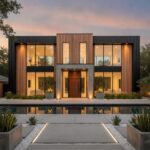
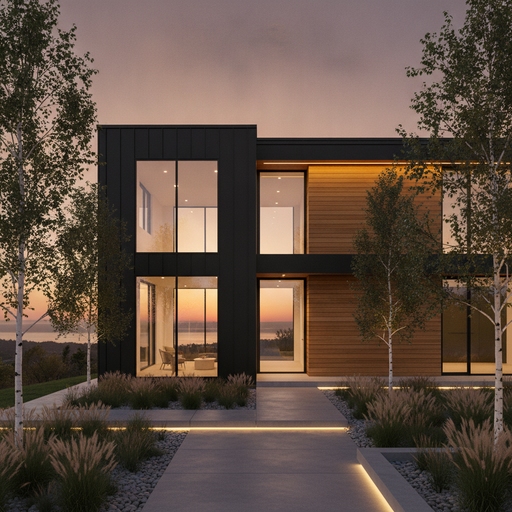
Imagine walking down a quiet suburban street at sunset. Most houses blend into a blur of beige siding and predictable brickwork. But then, you see it—a home that stands out not because it is loud, but because it feels intentional. Its exterior features a striking combination of warm, charred wood and sleek, matte black metal. It looks architectural, yet inviting. That transformation, that “wow” factor, is the magic of modern exterior cladding.
SUBMIT YOUR DETAILS FOR
Cladding is often called the “skin” of a building. Just as our skin protects us while defining our appearance, exterior cladding serves a dual purpose: it shields the structure from the elements and serves as the primary visual statement of your home. If you are plaing a renovation or building from scratch, choosing the right cladding is perhaps the most significant design decision you will make. It’s the difference between a house that looks “fine” and a home that tells a story of modern elegance and personality.
The Rise of the Mixed-Material Aesthetic
In the past, the rule of thumb was consistency. If you started with brick, you finished with brick. Modern design, however, has thrown that rulebook out the window. One of the most prominent trends in modern exteriors is the “mixed-material” approach. This involves layering different textures and colors to create visual depth.
For instance, pairing the cold, industrial feel of fiber cement panels with the organic warmth of natural timber creates a beautiful tension. The wood softens the sharpness of the modern lines, while the panels provide a clean, structured backdrop. When using mixed materials, the secret is balance. You don’t want the facade to look cluttered; you want it to look curated. Designers often use a 70/30 rule—70% of a primary material and 30% of an accent material to highlight architectural features like entryways or second-story overhangs.
Shou Sugi Ban: The Art of Charred Wood
If you are looking for a material with a rich history and a stuing modern application, look no further than Shou Sugi Ban. This ancient Japanese technique involves charring the surface of cedar wood to create a deep, carbonized layer. The result is a striking, silvery-black finish that is unlike any paint or stain on the market.
But Shou Sugi Ban isn’t just about the looks. The charring process actually makes the wood more durable. It creates a natural barrier against fire, rot, and insects. In a modern context, vertical charred wood planks offer a sense of height and drama. It’s a favorite for homeowners who want a “minimalist luxury” vibe. When the light hits the textured, burnt surface, it creates a play of shadows that changes throughout the day, making your home look like a living piece of art.
The Industrial Edge of Metal Cladding
There was a time when metal siding was reserved for warehouses and barns. Today, it is one of the most sought-after materials for high-end residential architecture. Modern metal cladding, particularly standing seam panels or corrugated steel, offers a sleek, uninterrupted silhouette that screams sophistication.
One of the biggest draws of metal is its longevity. It is virtually maintenance-free, resisting mold, fire, and extreme weather. From a design perspective, matte black and charcoal gray are the kings of the modern color palette. However, we are also seeing a surge in “Corten” steel—a weathered steel that develops a stable, rust-like appearance over time. This earthy, orange-brown patina creates a stuing contrast against green landscaping and blue skies, offering a rugged yet refined look.
Fiber Cement: The Versatile Chameleon
For many homeowners, fiber cement is the “sweet spot” of cladding. Made from a mixture of cement, sand, and cellulose fibers, it is incredibly tough and versatile. What makes fiber cement a modern favorite is its ability to mimic other materials. It can look like smooth stucco, traditional wood siding, or even large concrete slabs.
In modern architecture, large-format fiber cement panels are often installed with visible “expressed joints” (the small gaps between panels). This emphasizes the geometric grid of the house, giving it a clean, engineered look. Because it can be painted in any color imaginable, it allows for total creative freedom. Whether you want a monochromatic white-on-white minimalist look or a bold, dark navy statement, fiber cement can deliver it without the high maintenance of natural wood.
Natural Stone Veneer: Modernizing a Classic
Stone is perhaps the oldest cladding material in existence, but modern design has given it a facelift. Instead of the heavy, rounded fieldstones of the past, modern exteriors utilize “ledger stone” or “thin-cut veneer.” These are flat, rectangular pieces of stone stacked tightly together to create a textured, linear surface.
The modern way to use stone is as an anchor. It’s often used on the lower half of a home or on a single prominent chimney breast to give the structure a sense of weight and permanence. Using light-colored limestone or dark slate can completely change the mood of the house. When paired with large glass windows and black window frames, stone adds a layer of organic texture that prevents a modern home from feeling too “cold” or clinical.
Vertical Siding: Reaching for the Sky
Traditionally, siding was installed horizontally. While horizontal lines can make a house look wider, vertical siding (often called “board and batten”) is the go-to for modern designers who want to emphasize height and volume. Vertical lines draw the eye upward, making even a modest-sized home feel grander and more majestic.
This style works exceptionally well on “Modern Farmhouse” designs or contemporary cabins. By using wide boards with thin strips (battens) covering the seams, you create a rhythmic pattern that adds architectural interest. To keep it modern, many people are opting for “shadow gap” cladding, where the boards are spaced slightly apart to create deep, dark lines between them, emphasizing the verticality even further.
Sustainability and the Future of Cladding
Modern cladding isn’t just about aesthetics; it’s about responsibility. Today’s homeowners are increasingly looking for eco-friendly options. This includes reclaimed wood, which carries the history of old barns or factories, and composite materials made from recycled plastics and wood fibers.
Thermally modified wood is another exciting iovation. By heating wood to high temperatures in a vacuum, the cellular structure is changed, making it highly resistant to rot without the use of toxic chemicals. This allows for the use of sustainable softwoods in places where only hardwoods would have survived before. Choosing sustainable cladding means your home isn’t just beautiful to look at—it’s also a contribution to a healthier planet.
Final Thoughts: Choosing Your Home’s Identity
Selecting exterior cladding is an emotional journey. It’s about how you feel when you pull into your driveway after a long day. Does your home feel like a sanctuary? Does it reflect your personal style? Whether you lean toward the charred mystery of Shou Sugi Ban, the industrial strength of metal, or the versatile clean lines of fiber cement, the best modern cladding is the one that resonates with your vision.
Don’t be afraid to experiment with samples. Hold them up against the light at different times of the day. Look at how they interact with the colors of your local landscape. Your home’s exterior is its first impression to the world—make sure it’s a story worth telling.