
The Eternal Allure of the Sunshine State
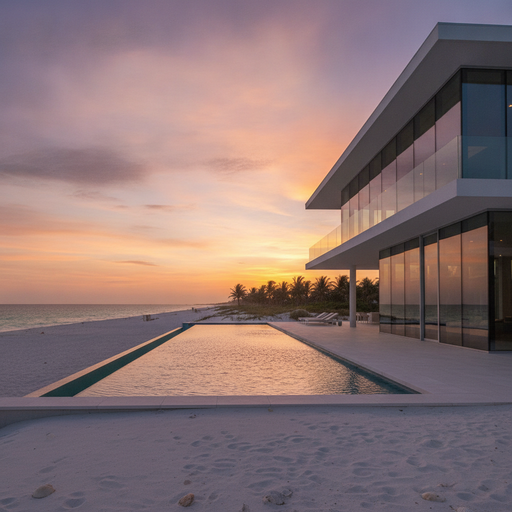
Imagine waking up to the rhythmic sound of Atlantic waves crashing against the shore or watching the sun dip below the Gulf of Mexico horizon, painting the sky in hues of violet and gold. For decades, this dream has fueled a relentless migration toward Florida’s 1,350 miles of coastline. However, in recent years, the narrative of Florida beachfront housing has transformed from a quiet retirement cliché into a high-stakes, high-demand saga that is reshaping the state’s economy and landscape.
SUBMIT YOUR DETAILS FOR
The demand for a slice of paradise has never been more complex. While the “Sunshine State” has always been a magnet for those looking to escape northern winters, a perfect storm of remote work flexibility, shifting demographics, and evolving lifestyle priorities has sent beachfront property values into a new stratosphere. But beneath the sparkling surface of luxury condos and coastal estates, new trends are emerging that every buyer, investor, and dreamer needs to understand.
The Remote Work Revolution: From Vacation Home to Primary Hub
There was a time when a beachfront house in Sarasota or Naples was strictly a “second home”—a place to visit for two weeks in July and a month in February. That paradigm has shifted dramatically. The rise of the “Work from Anywhere” culture has turned these vacation getaways into primary residences. Professionals from New York, Chicago, and San Francisco are no longer waiting for retirement to enjoy the coast; they are bringing their Zoom calls to the balcony.
This shift has fundamentally changed what buyers are looking for. It is no longer just about the number of bedrooms; it is about high-speed fiber-optic coectivity, dedicated home offices with ocean views, and proximity to “lifestyle hubs” that offer gourmet dining and coworking spaces. The demand is no longer seasonal—it is year-round, leading to a tighter inventory and a more competitive bidding environment than Florida has ever seen before.
Demographic Disruptors: The New Face of Coastal Buyers
Who is buying the Florida coast today? It is not just the retirees. We are seeing a significant influx of younger families and tech-sector entrepreneurs. These buyers are often driven by Florida’s favorable tax climate—specifically the lack of state income tax—which acts as a powerful incentive for high earners to relocate permanently.
Furthermore, international interest has surged back to pre-pandemic levels. Investors from South America, Europe, and Canada are once again viewing Florida beachfront real estate as a “safe haven” asset. In cities like Miami and Fort Lauderdale, the market is becoming increasingly globalized, where a luxury penthouse is as much a financial instrument as it is a place to live.
The Climate Conundrum: Resilience as a Luxury Feature
It would be impossible to discuss Florida beachfront trends without addressing the elephant in the room: climate change and rising insurance costs. Interestingly, rather than dampening demand, these challenges have created a “flight to quality.” Today’s savvy buyers are prioritizing properties built to the latest, most stringent hurricane codes.
We are seeing a trend where “resilience” is becoming the new “luxury.” New constructions featuring elevated foundations, impact-resistant glass, and advanced drainage systems are seeing much higher demand than older, ground-level coastal cottages. While insurance premiums have climbed, the demand remains robust among those who can afford the “entry fee” for coastal living, though it is squeezing out the middle-market buyer. This has led to a bifurcation of the market: high-end, resilient new builds are booming, while older properties require significant upgrades to remain competitive.
Regional Hotspots: Where the Tide is Rising Fastest
While the entire state is seeing growth, certain regions are experiencing a true gold rush. Let’s take a look at the current coastal landscape:
- The Gold Coast (Miami & Palm Beach): This remains the epicenter of ultra-luxury. The demand here is driven by “ultra-high-net-worth” individuals. Palm Beach, in particular, has seen record-breaking sales, with oceanfront estates reaching nine-figure price tags.
- The Cultural Coast (Sarasota & Naples): Known for its white-sand beaches and sophisticated arts scene, this region is a favorite for those seeking a more relaxed but still affluent lifestyle. Demand here is driven by domestic relocations from the Midwest and Northeast.
- The Emerald Coast (Destin & 30A): The Florida Panhandle has evolved from a regional secret to a national destination. The 30A corridor is seeing massive demand for high-end vacation rentals and luxury beach houses that offer a “small-town” coastal feel.
- The Space Coast (Cocoa Beach & Melbourne): With the boom in the aerospace industry, this region is seeing a surge in demand from engineers and tech professionals looking for beachfront living at a slightly more accessible price point than South Florida.
The Investment Perspective: Short-Term Rentals and ROI
For investors, the Florida beachfront is a double-edged sword. On one hand, the short-term rental market (fueled by platforms like Airbnb and VRBO) remains incredibly lucrative. Tourists are willing to pay a premium for a walk-to-beach experience, ensuring high occupancy rates throughout the year.
However, local regulations are tightening. Many coastal municipalities are implementing stricter rules on short-term rentals to preserve the “neighborhood feel” of their communities. Investors are now looking toward properties with “liberal” rental policies or those situated in zones specifically designated for hospitality. Despite these hurdles, the long-term appreciation of Florida beachfront land remains one of the most reliable wealth-building strategies in real estate, simply because they aren’t making any more land on the ocean.
Conclusion: The Future of the Florida Shoreline
The demand for Florida beachfront housing is not just a temporary bubble; it is a reflection of a fundamental shift in how and where Americans want to live. While high interest rates and rising insurance costs have slowed the frenetic pace of 2021, the underlying desire for the coastal lifestyle remains unshakable.
As we look toward the future, expect to see an even greater emphasis on sustainable luxury and “smart” coastal homes. The Florida beach house is no longer just a shelter; it is a sanctuary, a status symbol, and a strategic financial asset. For those looking to catch this wave, the message is clear: the market is evolving, the stakes are higher, but the view from the shore remains as priceless as ever.