
The Dream of the Coastal Florida Lifestyle
Imagine waking up to the gentle sound of a breeze rustling through palm fronds and the distant call of a seagull. You step out onto your screened-in porch, coffee in hand, and feel the salt air on your skin. For many, this is the ultimate American dream—a life spent near the shimmering waters of the Gulf of Mexico or the vast Atlantic Ocean. However, for a long time, the price tag of Florida’s coastal real estate made this dream feel like an exclusive club for the ultra-wealthy.
SUBMIT YOUR DETAILS FOR
But there is a secret that thousands of retirees, digital nomads, and young families have discovered: mobile home living in Florida’s coastal towns. No longer relegated to the “trailer park” stereotypes of the past, modern manufactured home communities offer a resort-style lifestyle that rivals expensive gated subdivisions. In this guide, we will explore why choosing a mobile home near the coast is one of the smartest ways to enjoy the Sunshine State.
The Evolution of the Manufactured Home
Before we dive into the locations, it is important to address the elephant in the room. The “mobile homes” of today are legally and structurally known as manufactured homes. Since 1976, the HUD Code has ensured these homes are built to rigorous safety and quality standards. In Florida, these standards are even stricter to account for the tropical climate and high winds.
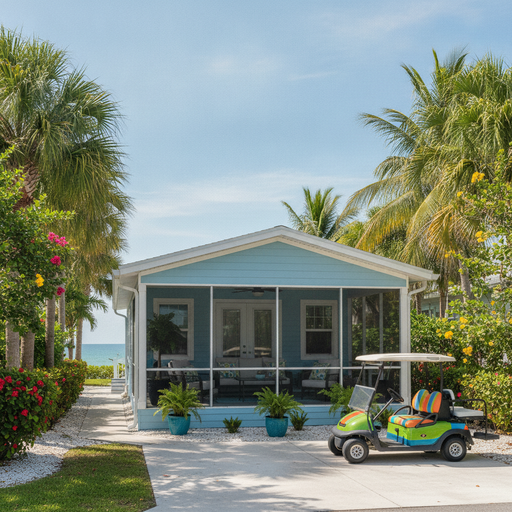
When you walk into a modern coastal manufactured home, you might forget where you are. We are talking about open-concept floor plans, granite countertops, stainless steel appliances, and cathedral ceilings. Many homes in Florida’s coastal communities are designed with “Florida rooms” or expansive lanais that blur the line between indoor and outdoor living. This isn’t just a house; it’s a vessel for a lifestyle centered around the sun and the sea.
Top Coastal Towns for Mobile Home Living
Florida offers thousands of miles of coastline, each with its own unique personality. Depending on what you are looking for, certain towns might call to you more than others.
The Gulf Coast: Sarasota and Venice
If you love white, sugary sand and calm, turquoise waters, the Gulf Coast is your destination. Towns like Venice and Sarasota are famous for their sophisticated culture and beautiful beaches. Here, you will find high-end mobile home communities that feel like luxury resorts. Many of these parks offer private beach access, allowing you to walk from your front door to the shoreline in minutes.
The Atlantic Coast: Cocoa Beach and New Smyrna
For those who prefer a bit more energy, the Atlantic side offers world-class surfing and a refreshing sea breeze. Cocoa Beach is a classic choice, offering a laid-back surf-town vibe. Living in a mobile home here means you are just a stone’s throw away from the Keedy Space Center and the vibrant piers. It’s a place where the community gathers on the beach to watch rocket launches—an experience you won’t get anywhere else in the world.
The Hidden Gems: Dunedin and Sebastian
If you want to avoid the heavy tourist crowds, towns like Dunedin (near Tampa) or Sebastian (on the Treasure Coast) are perfect. Dunedin offers a charming, walkable downtown and proximity to the famous Honeymoon Island State Park. Sebastian is a fisherman’s paradise, known for its incredible inlets and slow-paced way of life. In these towns, mobile home parks are ofteestled under ancient oak trees draped in Spanish moss, providing a true “Old Florida” feel.
The Financial Advantage: Living Rich on a Budget
The most compelling reason to choose a mobile home in a coastal town is the financial freedom it provides. A traditional site-built home within a mile of the ocean in Florida can easily cost upwards of $600,000. In contrast, a beautiful, pre-owned manufactured home in a coastal community might cost between $80,000 and $150,000.
By lowering your housing costs, you free up your budget for the things that actually make coastal living fun. That could mean buying a boat, traveling more frequently, or simply retiring years earlier than you plaed. Most residents in these communities pay “lot rent,” which covers the land lease, trash removal, lawn maintenance, and access to amenities like swimming pools, clubhouses, and shuffleboard courts. When you factor in the low property taxes, the math becomes very attractive.
The Social Coection: A Built-In Community
One of the most overlooked aspects of mobile home living in Florida is the social life. Coastal mobile home parks are often tight-knit communities. In many 55+ communities, the social calendar is packed. You’ll find water aerobics in the morning, potluck diers in the evening, and organized golf cart parades during the holidays.
Because these homes are situated closer together than traditional suburban houses, people actually know their neighbors. It is a place where people look out for one another. If you are moving to Florida from another state, this built-in social network is invaluable for beating the loneliness that can sometimes come with a big move.
Weathering the Storm: Safety and Hurricanes
Living on the coast means living with the reality of hurricane season. This is a common concern for anyone considering a mobile home. However, Florida has some of the strictest installation and anchoring requirements in the country. Homes built after 1994 are engineered to withstand high wind zones.
In a coastal town, the key is preparation. Most communities have established evacuation protocols and strong communicatioetworks to keep residents safe. Many homeowners choose to install impact-resistant windows or high-quality storm shutters as an extra layer of protection. While no home is 100% “hurricane-proof,” the modern engineering of manufactured homes provides a level of safety that was unheard of forty years ago.
What to Look for When Buying
If you are ready to start your search, there are a few things you should keep in mind to ensure you make a wise investment:
- Land Ownership vs. Lot Rent: Some parks allow you to own the land (Fee Simple), while others require monthly lot rent. Land-owned parks are more expensive upfront but offer more long-term equity.
- Community Rules: Every park has its own set of “Bylaws.” Some are pet-friendly, while others have strict limits on the size and number of pets. Make sure the community matches your lifestyle.
- Inspection: Always get a professional inspection specifically for manufactured homes. They will check the vapor barrier, the tie-downs, and the roof-over—elements that are unique to this type of housing.
- Proximity to the Water: Check the flood zones. Being closer to the water is great for views, but it may impact your insurance rates.
Embracing the Florida Coastal Lifestyle
Living in a coastal town is about more than just the house you sleep in. It is about the ability to hop on your bicycle and ride to a local pier to watch the sunset. It is about the community farmers’ markets, the local seafood shacks, and the endless summer weather. When you choose a mobile home, you aren’t just buying a property; you are buying time and freedom.
You’ll find that the “luxury” of Florida living isn’t found in the square footage of a mansion, but in the experiences you have outside. It’s in the dolphins jumping in the wake of a boat, the turtles nesting on the beach, and the friends you share a cold drink with on your porch as the sky turns purple and orange.
Conclusion
Mobile home living in Florida’s coastal towns offers a unique blend of affordability, community, and beauty. Whether you are looking for a permanent residence to enjoy your golden years or a seasonal getaway to escape the northern winters, the options are plentiful and more attractive than ever. By doing your research and choosing the right community, you can enjoy everything the Florida coast has to offer without the financial stress of a traditional mortgage. The salt life is waiting—and it’s more accessible than you think.