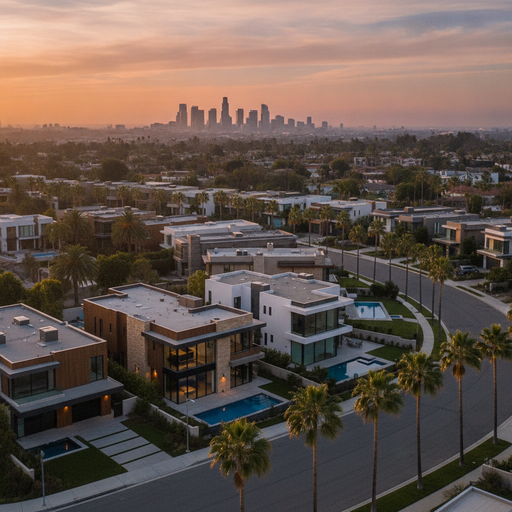

The Golden State Dream: A Changing Reality
Imagine standing on a sun-drenched sidewalk in a quiet Pasadena neighborhood, or perhaps overlooking the foggy, rolling hills of the Bay Area. You see a “For Sale” sign tucked into a manicured lawn. For many, this sight sparks a dream of homeownership in California—a place where the lifestyle is as iconic as the coastline. But for Sarah and Mark, a young couple who have spent the last three years saving for a down payment, that sign also sparks a familiar sense of anxiety. They, like millions of others, are constantly watching the headlines, trying to decode the complex narrative of California home price trends.
SUBMIT YOUR DETAILS FOR
For decades, California real estate has been synonymous with growth, wealth, and, more recently, astronomical price tags. However, the story of the current market is not just about numbers on a page; it is about a profound shift in how people live, work, and invest. Whether you are a first-time buyer like Sarah and Mark, a seasoned investor, or a homeowner curious about your equity, understanding the forces driving the California market is essential for making informed decisions in 2024 and beyond.
The Post-Pandemic Ripple Effect
To understand where we are today, we have to look back at the seismic shift that occurred during the pandemic. When remote work became the norm, the geography of California’s housing market transformed overnight. We saw a mass exodus from high-density urban centers like San Francisco and Los Angeles toward the “Inland Empire,” the Central Valley, and mountain retreats like Lake Tahoe. This “Zoom Town” phenomenon drove prices to record highs in areas that were previously considered affordable.
Today, that ripple effect is still being felt, but the momentum has changed. While the frantic bidding wars of 2021 have largely subsided, prices haven’t come crashing down as some predicted. Instead, we are seeing a “plateau of persistence.” Home prices in California remain remarkably resilient, buoyed by a chronic shortage of inventory that continues to frustrate potential buyers.
Why Prices Aren’t Dropping: The Supply-Demand Paradox
The most common question real estate agents hear today is: “When will the bubble burst?” The reality, however, is that this doesn’t look like a bubble—it looks like a structural shortage. There are three primary reasons why California home prices continue to defy gravity despite higher interest rates:
1. The Lock-In Effect
Many current homeowners are sitting on mortgage rates of 3% or lower. Moving to a new home would mean trading that record-low rate for one that is nearly double. Consequently, people are choosing to stay put, renovating their current homes rather than listing them. This has created a “locked-in” effect that has gutted the supply of existing homes for sale.
2. The Chronic Housing Shortage
California has been under-building for decades. Regulatory hurdles, high construction costs, and geographical limitations (mountains, oceans, and protected lands) mean that new inventory simply caot keep up with the population’s needs. When supply is low and demand—driven by a wealthy tech sector and a diverse economy—remains steady, prices naturally stay high.
3. Institutional and Milleial Demand
The largest generation in American history, the Milleials, is now in its peak home-buying years. Despite the hurdles, the desire for homeownership remains high. Coupled with institutional investors who see California real estate as a safe long-term hedge against inflation, the competition for the few available homes remains fierce.
Regional Deep Dives: A Tale of Several Californias
The California market is not a monolith. Trends in San Jose are vastly different from those in Bakersfield. To get a true sense of the price trends, we must look at the specific regions that define the state.
The San Francisco Bay Area: The Tech Stabilizer
The Bay Area saw a slight cooling period as tech companies implemented layoffs and return-to-office mandates. However, the region remains the most expensive in the nation. We are seeing a “flight to quality,” where renovated homes in prime neighborhoods like Palo Alto or Marin County still fetch premium prices, while older condos in downtown San Francisco face more significant challenges.
Southern California: The Resilient Giant
From the beach cities of Orange County to the sprawling suburbs of the San Fernando Valley, Southern California remains a hotbed of activity. Prices here have remained remarkably stable. The allure of the climate and the diversified economy—encompassing entertainment, aerospace, and logistics—continues to attract domestic and international buyers alike.
The Inland Empire and Central Valley: The Last Frontier of Affordability
Regions like Riverside, San Bernardino, and Sacramento were once the “affordable” alternatives. While they still offer more square footage for your dollar, they have seen some of the highest percentage increases in home prices over the last five years. These areas are no longer just “commuter hubs”; they have become established communities with their own economic engines.
The Interest Rate Factor: The Great Equalizer?
No discussion of California home price trends is complete without addressing interest rates. The Federal Reserve’s aggressive stance on inflation sent mortgage rates soaring from their historic lows. This significantly impacted “buying power.” For a buyer with a fixed monthly budget, a 7% interest rate means they can afford a much smaller loan than they could at 3%.
Interestingly, this hasn’t led to a drastic drop in prices, but rather a “thiing” of the buyer pool. Only those with high incomes or significant down payments are able to compete. This has skewed the market toward luxury and mid-to-high-tier homes, keeping the “median home price” in California at levels that seem unreachable for many average earners.
New Legislation and the Future of Housing
The California legislature hasn’t been idle. New laws aimed at increasing density, such as SB 9 and SB 10, allow for more units to be built on lots previously zoned for single-family homes. While these changes are slow to manifest in the actual housing stock, they represent a long-term shift in the California landscape. The “Missing Middle”—housing that fits between massive luxury estates and high-rise apartments—is finally becoming a priority.
Furthermore, the rise of ADUs (Accessory Dwelling Units) or “gray flats” has provided a lifeline for many families. These smaller units allow homeowners to generate rental income or house multi-generational family members, providing a unique solution to both the housing shortage and the affordability crisis.
What Should Buyers and Sellers Do?
If you are Sarah and Mark, or anyone else navigating this market, the path forward requires a blend of patience and strategy.
- For Buyers: Don’t try to time the market perfectly. If you find a home that fits your life and you can afford the monthly payment, the long-term appreciation of California real estate has historically favored those who buy and hold. Look into first-time buyer programs and consider emerging neighborhoods that are seeing infrastructure investment.
- For Sellers: You are in a position of power due to low inventory, but you caot be unrealistic. Today’s buyers are savvy and sensitive to interest rates. A home that is priced correctly and presented in “turn-key” condition will still see multiple offers, while overpriced or neglected properties may sit on the market longer than expected.
The Road Ahead: 2025 and Beyond
Predicting the future of California real estate is always a gamble, but the fundamentals suggest a continuation of current trends. We are likely to see moderate, single-digit price appreciation rather than the explosive growth of the past. As inflation cools and interest rates potentially stabilize, we may see a slight increase in inventory as more homeowners feel comfortable moving.
California remains a place of immense beauty and economic opportunity. Despite the high entry price, the “California Dream” is evolving, not disappearing. It is becoming a market defined by density, iovation, and a persistent demand for a piece of the Golden State.
Conclusion
The story of California home price trends is one of resilience and transformation. From the coastal cliffs of La Jolla to the tech hubs of Silicon Valley, the market is adjusting to a new normal of higher rates and lower inventory. For those willing to navigate the complexities, the rewards of owning a home in one of the world’s most vibrant economies remain as high as ever. Whether you are buying, selling, or simply watching from the sidelines, keeping a close eye on these trends will ensure you are ready for whatever the next chapter of the California real estate story brings.