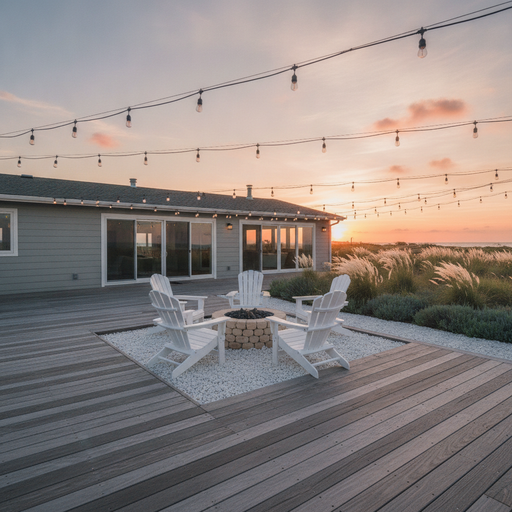

The Dream of the Coastal Ranch
Imagine waking up on a Saturday morning, coffee in hand, and stepping through your sliding glass doors into a space that feels less like a suburban backyard and more like a private retreat in the Hamptons or a breezy bungalow in Malibu. If you own a ranch-style home, you already have the perfect canvas for this transformation. Ranch houses are celebrated for their long, low profiles and their inherent coection to the outdoors. They were designed for seamless indoor-outdoor living, making them the ideal candidate for a coastal-inspired makeover.
SUBMIT YOUR DETAILS FOR
You don’t need to live within earshot of the crashing waves to capture the essence of the coast. Coastal design is more about a feeling than a zip code. It is about light, air, natural textures, and a sense of unhurried relaxation. In this guide, we will walk through the journey of transforming a standard ranch backyard into a coastal oasis that breathes new life into your property and your lifestyle.
Establishing the Palette: Sand, Salt, and Sky
Every great design story starts with a color story. When you look at a ranch house from the 1960s or 70s, you often see heavy browns, brick reds, or muted greens. To bring the coast to your backyard, we need to strip away the “heavy” and embrace the “airy.”
Start with a base of crisp whites and soft, weathered grays. Think of the color of sun-bleached driftwood or a pier that has stood against the salt spray for decades. For your ranch’s exterior trim or the fencing surrounding your yard, consider a “Sea Salt” white or a very pale “Cool Gray.” These colors reflect sunlight, making your backyard feel larger and more open—a key advantage for the often wide but shallow lots associated with ranch homes.
For accents, pull directly from the ocean. Navy blue provides a classic, nautical anchor, while seafoam green or sky blue adds a touch of whimsy. When choosing materials for your patio or deck, look for light-colored stone like travertine or composite decking in a “driftwood” finish. These materials stay cooler underfoot and provide that sandy, beachy foundation that sets the stage for the rest of your design.
Creating Defined “Outdoor Rooms”
One of the challenges of a ranch backyard is its linear nature. Often, it’s just a long strip of grass. To create a coastal retreat, we need to break that line and create “rooms” that invite you to linger. Because ranch homes are single-story, your backyard is often visible from almost every room in the house; therefore, each “room” should look like a curated vignette.
The Sunset Lounge
Position a seating area at the furthest point of your patio. Instead of standard metal folding chairs, opt for oversized Adirondack chairs in a white or light gray finish. Arrange them around a circular fire pit. Why circular? Because the curves contrast beautifully with the sharp, horizontal lines of the ranch architecture. Use white gravel or crushed shells under the fire pit area to provide that satisfying “crunch” underfoot that mimics a walk on the beach.
The Al Fresco Dining Cove
Place your dining area closest to the kitchen or the main sliding doors. Use a large wooden table—preferably teak or reclaimed wood—that will silver beautifully over time. Surround it with rattan or woven chairs to introduce organic textures. To keep the coastal vibe, hang a simple outdoor chandelier made of beads or capiz shells. It creates a focal point that draws the eye upward, countering the low-slung roofline of the house.
The Coastal Garden: Movement and Texture
Landscaping is where your coastal ranch truly comes to life. You aren’t looking for perfectly manicured rose bushes or stiff hedges. You want movement. You want plants that dance when the breeze picks up.
- Ornamental Grasses: Varieties like Blue Fescue, Maiden Grass, or Mexican Feather Grass are essential. They add height, soft texture, and a swaying motion that mimics beach dunes.
- Lavender and Rosemary: These hardy plants thrive in sun-drenched ranch backyards and provide a sensory experience with their scent, reminiscent of Mediterranean coastal cliffs.
- White Hydrangeas: Nothing says “coastal cottage” like a row of lush, white hydrangeas. They provide a soft, romantic contrast to the straight lines of the ranch siding.
- Pampas Grass: Use these for privacy screens. Their large, feathery plumes add a touch of drama and scale to the one-story backdrop.
When planting, avoid straight lines. Create soft, curving garden beds that flow around your “outdoor rooms.” This organic layout breaks the boxy feel of a traditional ranch lot and makes the space feel like a natural extension of the landscape.
Water Features: The Sound of Serenity
You may not have the Pacific Ocean in your backyard, but you can certainly trick your ears into thinking you do. The sound of moving water is the ultimate “mood setter” for a coastal design. For a ranch home, where the backyard is often right outside the bedroom windows, a water feature can also act as a peaceful white noise machine.
Consider a “disappearing” fountain—a large, weathered stone urn where water bubbles over the top and vanishes into a bed of river rocks. It’s low-maintenance and fits perfectly into a corner of your patio. If your budget allows, a long, rectangular “spool” (a hybrid of a spa and a pool) finished with light blue tiles can mimic the shallow waters of a Caribbean bay. The key is to keep the profile low to maintain the architectural integrity of your ranch home.
The Magic of Coastal Lighting
As the sun sets, your coastal ranch should transform into a glowy, ethereal space. Avoid harsh floodlights. Instead, think about “layering” your light just as you would indoors.
String lights (Edison bulbs) are a staple for a reason—they provide a festive, boardwalk-like atmosphere. Drape them in a “zigzag” pattern over your dining area. For the pathways, use low-voltage LED lights tucked into the ornamental grasses. This creates a “moonlight” effect, where the light filters through the blades of grass, casting soft shadows. Finally, use uplighting on a few key trees or the textured siding of your house to highlight the architectural length of the ranch.
Finishing Touches: Textures and Decor
The final step in your storytelling journey is the “styling.” This is where you layer in the comfort. Coastal design relies heavily on texture over pattern. Think about jute rugs under the dining table, navy-and-white striped outdoor pillows on the lounge chairs, and thick, waffle-weave throws for chilly evenings.
Incorporate natural elements like oversized lanterns filled with thick pillar candles, large conch shells used as paperweights on the outdoor coffee table, and driftwood pieces integrated into the garden beds. Keep the decor purposeful; avoid cluttering the space with “beach kitsch.” One or two high-quality pieces, like a large weathered anchor or a vintage oars set mounted on a fence, go a lot further than a dozen “Life is a Beach” signs.
Conclusion: Living the Coastal Life Every Day
Transforming your ranch backyard into a coastal sanctuary isn’t just about increasing your property value—though it certainly does that. It’s about changing how you experience your home. It’s about creating a space where the pace of life slows down the moment you step outside.
By focusing on a light color palette, organic textures, and “rooms” designed for relaxation, you turn a simple one-story house into a destination. Your ranch backyard becomes a place where memories are made over toasted marshmallows, where the sound of swaying grass replaces the hum of the neighborhood, and where every day feels like a breath of fresh, salt air. Whether you’re five miles or five hundred miles from the coast, your seaside retreat is only a design plan away.