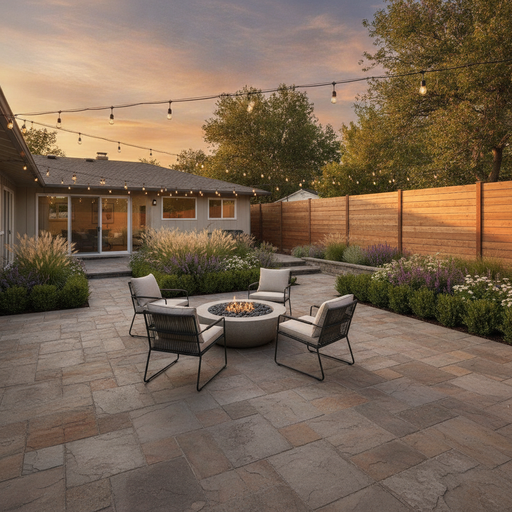

The Hidden Potential of the Classic Ranch Backyard
Imagine waking up on a Saturday morning, coffee in hand, and sliding open the glass doors of your ranch-style home. You step out, not onto a patchy lawn or a cracked concrete slab, but into a private sanctuary that feels like a natural extension of your living room. This is the magic of well-plaed ranch home landscaping. Because ranch homes are typically single-story and possess a long, horizontal profile, they offer a unique advantage: an effortless coection between the indoors and the outdoors. Unlike multi-story houses where the backyard can feel detached, a ranch home sits intimately within its landscape.
SUBMIT YOUR DETAILS FOR
However, that same “flatness” that makes a ranch home accessible can also make it look a bit monotonous if the landscaping isn’t handled with care. Without the right height variations or designated zones, a large ranch backyard can feel like an endless sea of grass. The goal is to break up that horizontal line, create visual interest, and design functional “rooms” that serve your lifestyle. Whether you are looking to host the neighborhood’s best summer BBQs or you simply want a quiet corner to read among the hydrangeas, transforming your ranch backyard is a journey worth taking.
Embracing the Horizontal Line with Layered Planting
The architectural hallmark of a ranch home is its long, low roofline. To make your backyard look professionally designed, you need to work with this geometry rather than against it. Layered planting is the secret weapon of professional landscapers. Instead of planting a single row of shrubs against the house, think in tiers.
Start with “anchor” trees or tall shrubs at the corners of your property to provide a sense of enclosure and height. In the middle layer, use medium-sized pereials or ornamental grasses that offer texture and movement. Finally, the foreground should feature low-growing groundcovers or seasonal flowers. This layering creates depth, making a flat backyard feel much larger and more dynamic. For a classic ranch look, consider using boxwood hedges for structure, mixed with the soft, flowing blades of fountain grass to contrast the rigid lines of the house.
Creating Distinct “Outdoor Rooms”
One of the biggest mistakes homeowners make with ranch backyards is treating the entire space as one giant field. Because ranch homes often have wide footprints, you have the perfect opportunity to create “zones” or outdoor rooms. Think about how you use your indoor space and mirror that outside.
- The Dining Nook: Place a dining set on a paver patio or a wooden deck directly outside the kitchen or dining area. This makes alfresco meals convenient and frequent.
- The Conversation Pit: A fire pit area with comfortable Adirondack chairs or a built-in stone bench creates a natural gathering spot for cool evenings.
- The Solitude Corner: A small bench tucked away under a pergola or a weeping willow provides a space for meditation or reading, away from the noise of the main house.
To define these spaces without building walls, use “soft dividers” like outdoor rugs, transitions in flooring material (from wood deck to gravel, for example), or low-growing hedges. This approach gives the backyard a sense of purpose and organization.
Seamless Transitions: Decks and Patios
Because ranch homes are low to the ground, they are perfectly suited for ground-level patios and low-profile decks. If your floor level is close to the ground, a paver patio is an excellent choice. It feels permanent, sturdy, and blends beautifully with natural surroundings. You can choose flagstone for a rustic, organic feel or sleek oversized concrete pavers for a Mid-Century Modern vibe that complements many ranch architectures.
If your ranch is built on a slight slope, a multi-level deck can add the vertical interest the property might be lacking. Even a two-step transition can make a world of difference in how the space is perceived. Using materials like composite decking or pressure-treated wood allows you to extend your interior flooring color to the outside, creating that “seamless” look that makes the house feel twice as big.
Privacy Solutions for Wide Open Spaces
Ranch homes often sit on wider lots, which can sometimes leave you feeling exposed to the neighbors. While a standard 6-foot wooden fence is functional, it can sometimes feel boxy and uninspired. For a more sophisticated look, consider “living fences.”
A row of Arborvitae or Privet hedges provides a lush green wall that absorbs sound and provides total privacy. If you want something more modern, horizontal slat fencing is a huge trend for ranch homes. It mimics the horizontal lines of the house and feels much more “designer” than vertical pickets. You can also use large planters with tall bamboos or ornamental grasses to screen off specific areas, like a hot tub or a bedroom window, without walling off the entire yard.
Lighting: Setting the Mood After Sunset
Your backyard shouldn’t disappear once the sun goes down. Lighting is the element that transforms a backyard from a daytime utility to an evening destination. For ranch homes, low-voltage landscape lighting is essential to highlight the length of the property.
Path lights should guide guests from the back door to the various zones you’ve created. Uplighting on a beautiful oak tree or against the texture of a stone wall adds drama and depth. Don’t forget the “warmth” factor—string lights (often called Edison bulbs) draped over a patio or pergola instantly add a festive, cozy atmosphere. For a more modern touch, consider integrated LED strips under the lips of stairs or stone benches for a subtle, high-end glow.
Water Features as a Focal Point
Every great backyard needs a focal point—something that draws the eye and provides a sense of tranquility. Since ranch backyards are often quiet and sprawling, a water feature fits perfectly. You don’t need a massive pond or an Olympic-sized pool to make an impact. A simple “disappearing” fountain, where the water recirculates through a bed of decorative stones, provides the soothing sound of trickling water without the high maintenance of a pond.
If you have the space and budget, a modern, rectangular pool honors the geometric roots of ranch design. Keeping the pool lines clean and simple ensures it doesn’t overwhelm the low profile of the house. Surround it with a wide “deck” of light-colored stone to keep the area cool underfoot and visually bright.
Sustainable and Low-Maintenance Landscaping
Many ranch homeowners appreciate the simplicity of one-level living, and that desire for simplicity often extends to the yard. Xeriscaping—or landscaping that requires little to no irrigation—is becoming increasingly popular. This involves using native plants that are already adapted to your local climate.
Instead of a thirsty grass lawn, consider “no-mow” grass alternatives or expanding your garden beds and using mulch or pea gravel. Not only does this reduce your water bill, but it also creates a rich tapestry of colors and textures that look far more interesting than a flat green lawn. Incorporating a rain garden in a low spot of the yard can also help manage runoff while providing a habitat for local butterflies and birds.
Conclusion: Your Personal Oasis Awaits
Transforming a ranch home backyard is all about celebrating the home’s unique relationship with the earth. By breaking up the horizontal planes with layered plants, creating functional zones for dining and relaxing, and adding elements like lighting and water, you turn a simple plot of land into a sophisticated retreat. Remember, landscaping is a marathon, not a sprint. You can start with a single patio and a few flower beds this year, and add the pergola or the lighting system the next. The most important thing is to create a space that reflects your personality and invites you to step outside and enjoy the fresh air. Your ranch home was designed for easy living—make sure your backyard is, too.