
The Story of Your Home Begins at the Curb
Imagine you are walking down a quiet, leafy street at dusk. Most houses blend into a blur of beige and gray, but then, one catches your eye. It stands out not because it is loud or garish, but because it feels intentional. The walls have texture; they catch the fading sunlight in a way that feels warm and modern. That “wow” factor isn’t just good luck—it is the result of carefully chosen exterior cladding.
SUBMIT YOUR DETAILS FOR
For many homeowners, the exterior of a house is an afterthought compared to the kitchen or the master suite. However, cladding is essentially the skin of your building. It is the first line of defense against the elements and the primary driver of your home’s personality. Selecting the right custom cladding is like choosing the perfect tailored suit; it needs to fit the environment, reflect your personal style, and stand the test of time.
What Exactly is Exterior Cladding?
In simple terms, cladding is a secondary layer of material attached to the exterior of a building. While its most obvious job is to look good, its functional roles are far more critical. It protects the structural frame from rain, wind, and temperature fluctuations. It also provides a layer of insulation, helping to keep your home cool in the summer and cozy in the winter, which ultimately saves you money on energy bills.
When we talk about “custom” cladding, we are moving beyond the standard vinyl siding you see in every suburban development. Custom cladding involves mixing materials, exploring unique textures, and choosing colors that harmonize with your specific landscape.
Choosing the Right Material: A Narrative of Options
Every material tells a different story. The choice you make will define the “vibe” of your residence for decades to alone. Let’s explore the most popular contenders in the world of high-end custom cladding.
1. The Warmth of Natural Wood
There is something undeniably soulful about wood. Whether it is Western Red Cedar, Redwood, or charred Shou Sugi Ban, wood cladding coects a home to nature. It is the perfect choice for those who want a “modern cabin” or “organic contemporary” look.
- Pros: Excellent insulation properties, biodegradable, and offers a timeless aesthetic.
- Cons: Requires regular maintenance (staining or sealing) to prevent rot and UV damage.
2. The Industrial Edge of Metal
If your style leans toward the sleek and sophisticated, metal cladding—specifically aluminum, zinc, or copper—is a fantastic option. It is often used in modern architectural masterpieces to create sharp lines and reflective surfaces.
- Pros: Extremely durable, fire-resistant, and virtually maintenance-free. It can last 50 years or more.
- Cons: Higher upfront cost and can be prone to denting if low-quality gauges are used.
3. The Versatility of Fiber Cement
If you want the look of wood or stone without the heavy maintenance, fiber cement is the “chameleon” of the industry. Made from a mix of sand, cement, and cellulose fibers, it can be molded into planks, shingles, or large architectural panels.
- Pros: Rot-proof, termite-proof, and fire-resistant. It holds paint much longer than traditional wood.
- Cons: Heavy and requires professional installation to ensure moisture doesn’t get trapped behind the panels.
4. The Timelessness of Stone and Brick
Stone and brick offer a sense of permanence and prestige. Custom stone veneers allow you to get the look of a mountain villa or a classic English cottage without the structural weight of full-sized boulders.
- Pros: Incredible thermal mass (keeps the house cool) and adds significant resale value.
- Cons: Expensive and labor-intensive to install.
The Climate Factor: Function Before Fashion
Before you fall in love with a specific look, you must consider where you live. Your environment is the ultimate judge of whether your cladding will succeed or fail.
If you live in a coastal area with salty air, metal cladding (unless it is high-grade aluminum) might succumb to corrosion. In these areas, fiber cement or specific treated woods are often better choices. Conversely, if you live in a region prone to wildfires, choosing non-combustible materials like metal, brick, or specialized fire-rated composite panels isn’t just a design choice—it’s a safety necessity.
In humid climates, ventilation is key. A “rainscreen” system, which leaves a small gap between the cladding and the house’s weather barrier, allows moisture to escape and prevents mold from growing inside your walls. Always ask your contractor if your chosen cladding supports a rainscreen installation.
Designing with Texture and Orientation
One of the most exciting parts of custom cladding is playing with how the material is laid out. You don’t have to stick to horizontal planks. Many modern designs use vertical cladding to make a house appear taller and more “lofted.”
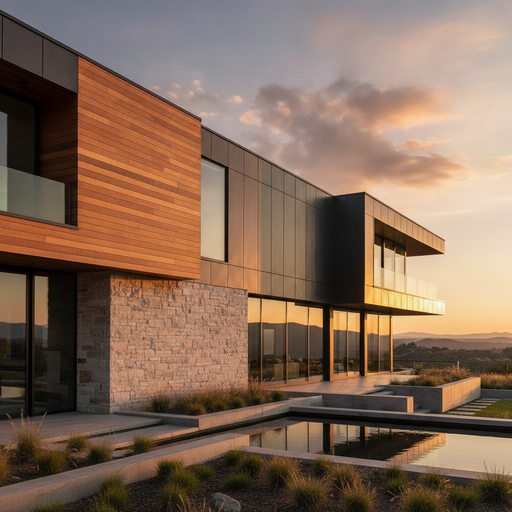
Mixing materials is another way to add depth. Imagine a home where the ground floor is wrapped in heavy, dark stone, while the second story features warm, horizontal cedar planks. This “heavy-to-light” visual approach grounds the building while making the top floor feel like it is floating among the trees.
Consider Your Color Palette
Color affects not only the look but also the temperature of your home. Dark cladding (charcoal, black, deep navy) is incredibly trendy but absorbs more heat from the sun. In hot climates, this could increase your cooling costs. Lighter tones (sand, soft gray, off-white) reflect heat and can make a small house look significantly larger.
Sustainability: The Modern Priority
Today’s homeowners are more conscious of their environmental footprint than ever before. When selecting custom cladding, look for “cradle-to-grave” sustainability. This means considering where the material comes from and what happens to it when it is eventually replaced.
- Reclaimed Wood: Repurposing old barn wood or timber gives your home a unique history and saves trees.
- Recycled Metal: Aluminum and steel are often made from recycled content and are 100% recyclable at the end of their life.
- Modified Wood: Technologies like “thermally modified wood” use heat instead of chemicals to make softwoods as durable as tropical hardwoods, providing an eco-friendly alternative to exotic timbers.
The Bottom Line on Maintenance and Cost
Budgeting for custom cladding isn’t just about the purchase price; it’s about the “Total Cost of Ownership.” A cheap material that requires painting every three years might end up being more expensive over twenty years than a premium metal or stone that requires nothing but an occasional rinse with a garden hose.
When you are interviewing contractors or architects, ask for a 10-year maintenance schedule. This will give you a realistic picture of the time and money you’ll need to invest to keep your home looking as good as the day it was finished.
Conclusion: Investing in Your Home’s Future
Choosing custom exterior cladding is a journey that balances art and science. It is about finding that perfect intersection between architectural beauty, environmental resilience, and personal expression. Whether you choose the rugged texture of stone, the sleek shine of metal, or the organic warmth of wood, your choice will define your home’s character for a generation.
Take your time, order samples, and look at them in different lights throughout the day. Your home is your sanctuary, and its exterior should be a reflection of the life you lead inside. With the right cladding, you won’t just be building a house; you’ll be creating a landmark.