
The Eternal Allure of the Pacific Breeze
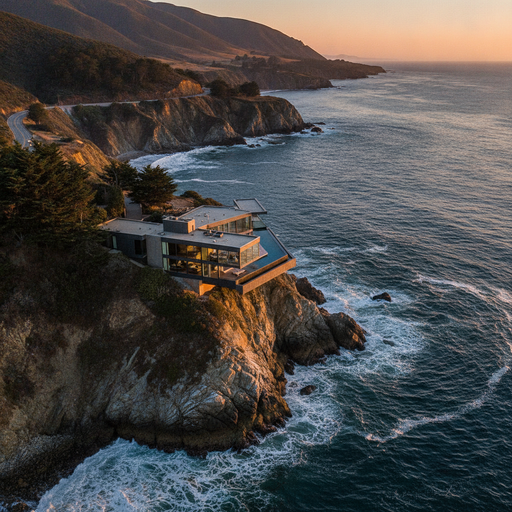
Imagine waking up to the sound of rhythmic waves crashing against the shore, the scent of salt air wafting through your window, and the golden California sun painting the horizon in shades of orange and pink. For decades, this has been the quintessential American dream. From the rugged cliffs of Big Sur to the pristine sands of Newport Beach, the California coastline isn’t just a geographical feature; it is a lifestyle brand that people across the globe aspire to own.
SUBMIT YOUR DETAILS FOR
However, if you have recently browsed a real estate app looking for a bungalow in Santa Monica or a cottage in Carmel, you have likely experienced a sharp dose of reality. The demand for California coastal housing has reached a fever pitch, creating a market environment that feels less like a neighborhood and more like a high-stakes auction house. To understand why this is happening, we have to look beyond the surface level of “pretty views” and dive into a complex story of economics, legislation, and a shifting cultural landscape.
The Scarcity Paradox: Why We Can’t Build Out
In most parts of the United States, when demand for housing goes up, developers simply find a patch of land further out and build a new subdivision. This is the “sprawl” model. But the California coast is different. On one side, you have the vast, untouchable Pacific Ocean. On the other, you often have protected mountain ranges or densely packed urban centers that have already used every available square inch of land.
This geographic limitation creates a natural “supply ceiling.” Unlike the suburbs of Phoenix or Dallas, coastal California has no “out” to go to. Every new home built near the water is a feat of engineering and legal maneuvering. This scarcity is the primary driver of the astronomical prices we see today. When there are 1,000 people who want to live in a town that only has 10 available houses, the wier isn’t the one who loves the ocean the most; it’s the one with the deepest pockets.
The Regulatory Fortress: CEQA and Zoning Laws
If geography wasn’t enough of a barrier, the regulatory environment in California adds layers of complexity that can stall housing projects for decades. One of the most significant factors is the California Environmental Quality Act (CEQA). Originally intended to protect the state’s beautiful natural resources, it has frequently been used by local residents—often referred to as NIMBYs (Not In My Backyard)—to block new high-density housing developments.
For a storyteller, the irony is palpable. Many of the people who moved to the coast in the 1970s and 80s to enjoy the “free spirit” of California are now the ones most fiercely guarding the gates against newcomers. By fighting against apartment complexes or townhomes, these local groups ensure that the only things being built are massive, multi-million dollar single-family mansions, further squeezing the middle class out of the coastal dream.
The Impact of Short-Term Rentals
Another chapter in this story is the rise of platforms like Airbnb and VRBO. In iconic coastal towns like Santa Barbara or Laguna Beach, many homes that used to be long-term rentals for local teachers, nurses, or artists have been converted into “vacation experiences.” When a homeowner can make more money renting their house for three days than they could for a whole month, the local housing stock begins to evaporate. This has turned once-vibrant communities into “ghost towns” where the lights are only on during the weekends, and the people who actually work in the town have to commute from an hour inland.
The Tech Wealth and the Remote Work Revolution
For a long time, coastal housing was tied strictly to local jobs. If you wanted to live in Silicon Beach (Santa Monica/Venice), you usually worked in tech or entertainment nearby. However, the post-2020 world changed the rules of the game. The rise of remote work untethered high-earning professionals from their downtown San Francisco or Los Angeles offices.
Suddenly, a software engineer with a Silicon Valley salary realized they could live in a coastal town like San Luis Obispo or Monterey while still keeping their high-paying job. This “migration of wealth” has caused housing prices in secondary coastal markets to explode. Locations that were once considered “sleepy beach towns” are now seeing bidding wars that rival those in Manhattan or London. The local workforce, whose wages haven’t kept pace with tech salaries, finds itself priced out of its own backyard.
The Cost of Paradise: More Than Just a Mortgage
Living on the California coast comes with costs that go beyond the sticker price of the home. As climate change becomes a more pressing reality, the demand for coastal housing is facing a new adversary: insurance. With the increasing risk of wildfires in the coastal ranges and the long-term threat of sea-level rise and coastal erosion, many major insurance carriers have scaled back their operations in California.
New homeowners are finding that even if they can afford the multi-million dollar mortgage, the cost of insuring that home is skyrocketing—if they can get insurance at all. This adds another layer of exclusivity to the market. Increasingly, the coast is becoming a place where only those who can afford to “self-insure” or pay cash are able to play the game.
Is the California Dream Still Attainable?
With all these challenges, you might wonder why anyone still bothers. The answer lies in the human spirit’s coection to the sea. There is something inherently therapeutic about the California coast that no amount of inflation or regulatory red tape can diminish. The Mediterranean climate, the world-class education systems, and the culture of iovation continue to act as a powerful magnet.
However, the future of the California coastal housing market depends on a shift in perspective. There is a growing movement for “YIMBYism” (Yes In My Backyard), where younger generations and urban plaers are pushing for smarter, denser, and more sustainable housing solutions. ADUs (Accessory Dwelling Units), or “gray flats,” have become a popular way for homeowners to add density to existing lots, providing a small glimmer of hope for increased supply.
Conclusion: A Coastline at a Crossroads
The story of California coastal housing is a story of tension. It is the tension between the desire to preserve the beauty of the past and the need to accommodate the growth of the future. It is the tension between the ocean’s infinite horizon and the land’s very real limits.
While the demand for a piece of the Golden State’s shoreline shows no signs of slowing down, the way we live there must evolve. Whether through legislative reform, iovative architecture, or a shift in how we value community over exclusivity, the California coast will remain the ultimate prize in American real estate. For those who manage to find a way in, the reward is a front-row seat to one of the most beautiful shows on Earth—the Pacific sunset, free of charge, every single night.