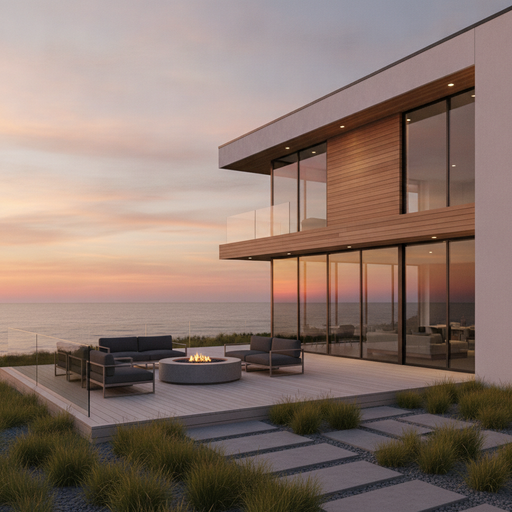

The Salt Air and the Vision: Reimagining Your Coastal Sanctuary
There is something undeniably magical about living by the water. The rhythmic sound of the waves, the scent of salt carried by the breeze, and the way the golden hour light dances across the horizon. But for many coastal homeowners, that same magic comes with a unique set of challenges. The elements are relentless. Salt spray, high humidity, and intense UV rays can turn a charming seaside cottage into a weathered structure faster than you can say “high tide.”
SUBMIT YOUR DETAILS FOR
Perhaps you have been looking at your home lately and noticing the signs of time. Maybe the traditional clapboard is peeling, or the design feels like a relic from a different era. You want a home that doesn’t just survive the coast but celebrates it—a home that blends modern sophistication with the raw beauty of the shoreline. Transitioning to a modern exterior isn’t just about aesthetics; it’s about choosing materials and designs that work in harmony with the environment while providing a sleek, updated look that increases your property value.
In this guide, we will walk through the most impactful modern exterior renovation ideas for coastal homes. From minimalist silhouettes to the latest in weather-resistant technology, let’s explore how you can transform your sandy retreat into a sophisticated masterpiece.
1. Simplify the Silhouette: Embracing Clean Lines
Modern design is rooted in the philosophy that “less is more.” When renovating a coastal home, one of the most effective changes you can make is simplifying the architectural lines. Traditional coastal homes often feature intricate gingerbread trim, ornate railings, and busy rooflines. To modernize, we look toward a more streamlined approach.
Consider replacing rounded or decorative elements with sharp, clean angles. Flat or low-slope rooflines are a hallmark of modern coastal architecture, offering a sleek profile that lets the surrounding landscape take center stage. If a full roof reconstruction isn’t in the cards, you can achieve a similar effect by removing dated decorative shutters and replacing bulky porch pillars with slim steel or square timber columns. This shift creates a sense of opeess and airiness, mirroring the vastness of the ocean itself.
2. Advanced Material Selection: Durability Meets Style
Living near the ocean means your home is in a constant battle with corrosion. A modern renovation gives you the perfect opportunity to upgrade to high-performance materials that look stuing and require minimal maintenance. Gone are the days when your only choices were wood or vinyl.
- Fiber Cement Siding: Brands like James Hardie offer horizontal laps or vertical panels that mimic the look of wood but are engineered to resist rot, fire, and salt air. For a modern look, vertical “board and batten” or smooth large-format panels are incredibly popular.
- Modified Wood: If you love the warmth of real wood, look into thermally modified timber or products like Accoya. These undergo a process that changes the wood’s molecular structure, making it virtually rot-proof and highly stable, even in humid coastal climates.
- Composite Cladding: Modern composites provide a sleek, wood-like appearance with zero need for painting or staining. They are perfect for creating “accent walls” on your home’s exterior to break up large surfaces.
3. Let the Light In: Large-Scale Glazing
The biggest asset of a coastal home is the view. A modern renovation should prioritize “bringing the outside in.” This is achieved through expansive glass surfaces. Replacing standard-sized windows with floor-to-ceiling glass panels or wide sliding glass doors can completely change the character of your home.
Think about “thin-profile” window frames made of marine-grade aluminum. Aluminum is lightweight, incredibly strong, and can be powder-coated in dark charcoals or blacks to provide a striking contrast against lighter siding. Not only does this maximize your panoramic views of the water, but it also allows natural light to flood your interior, reducing the need for artificial lighting and creating a seamless transition between your living room and the deck.
4. A Sophisticated Color Palette: Beyond Navy and White
The traditional “nautical” color scheme of bright navy, stark white, and fire-engine red is classic, but modern coastal design takes a more nuanced approach. We are seeing a shift toward “organic modernism”—colors that are pulled directly from the shoreline’s natural elements.
Think about the muted tones of dried driftwood, the soft greys of a misty morning, or the deep charcoal of wet coastal rocks. Using a monochromatic palette with varying textures can create a very high-end look. For example, a home with light grey fiber-cement panels, paired with dark charcoal window frames and natural cedar accents, feels grounded and contemporary. This palette doesn’t compete with the ocean; it complements it.
5. Integrated Outdoor Living: The Seamless Transition
In a coastal environment, the exterior of your home is just as important as the interior. A modern renovation should treat the deck or patio as an extension of the floor plan. Instead of a detached wooden deck, consider a “flush” transition where the indoor flooring and the outdoor decking are at the same level.
Using frameless glass railings is a game-changer for modern coastal homes. They provide the necessary safety without obstructing your view of the waves. To enhance the storytelling of your outdoor space, incorporate “zones” for different activities: a sunken fire pit area for chilly evenings, a sleek outdoor kitchen with stainless steel appliances that can withstand the salt, and perhaps a cantilevered roof section to provide shade without the need for intrusive umbrellas.
6. Sustainable and Native Landscaping
A modern exterior isn’t complete without the right landscaping. The trend is moving away from thirsty green lawns and toward “xeriscaping” or using native coastal plants. Not only is this more environmentally friendly, but it also fits the modern aesthetic perfectly.
Incorporate ornamental grasses like Sea Oats or Muhly Grass, which sway beautifully in the wind and require very little water. Use local stone, pebbles, and concrete pavers to create clean paths and defined garden beds. This minimalist approach to gardening reduces maintenance and ensures that your home looks like it belongs in its natural environment, rather than a forced suburban landscape transplanted to the beach.
7. Strategic Architectural Lighting
The beauty of your renovated home shouldn’t disappear when the sun goes down. Modern exterior lighting is subtle and strategic. Instead of one bright floodlight, use a layers of light to highlight the architectural features of your home.
Low-voltage LED strips tucked under stair treads or along the base of glass railings create a floating effect. Up-lighting against a textured wood accent wall adds depth and drama. Path lights should be sleek and minimalist, guiding guests to your door without creating glare. Good lighting doesn’t just provide safety; it creates an evening ambiance that makes your home feel like a luxury resort.
Conclusion: Investing in the Horizon
Renovating the exterior of a coastal home is a journey of balancing art and science. It requires a deep respect for the power of the ocean and an eye for the simplicity of modern design. By choosing durable, high-quality materials and focusing on clean lines and open views, you aren’t just updating a building; you are enhancing your lifestyle.
Whether it’s the joy of watching a storm roll in through massive glass walls or the peace of mind knowing your siding won’t rot in the humidity, a modern renovation provides a sanctuary that is as resilient as it is beautiful. Your coastal home is your gateway to the sea—make sure it reflects the beauty of the world it overlooks.