
The Evolution of the California Dream
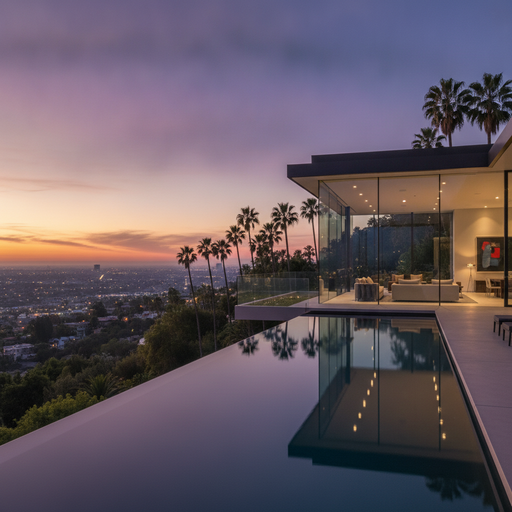
Imagine driving down the Pacific Coast Highway as the sun dips below the horizon, painting the sky in hues of violet and gold. To your right, the vast expanse of the ocean; to your left, architectural masterpieces perched on the cliffs of Malibu. This isn’t just a scenic drive; it is a glimpse into the world’s most coveted real estate landscape. For decades, the “California Dream” was defined by a simple bungalow near the beach. Today, that dream has evolved into a sophisticated, multi-million dollar narrative of iovation, privacy, and unparalleled luxury.
SUBMIT YOUR DETAILS FOR
The California luxury housing market is currently standing at a fascinating crossroads. It is a market that refuses to follow the traditional rules of gravity. While the broader national real estate market feels the squeeze of fluctuating interest rates and economic uncertainty, the high-end sector in the Golden State continues to pulse with a life of its own. But this isn’t the same market we saw five years ago. From the tech-driven corridors of Silicon Valley to the star-studded hills of Bel Air, the definition of luxury is shifting from “how big” to “how smart and sustainable.”
The Impact of the “Mansion Tax” and Market Resilience
In recent months, one caot talk about California luxury real estate without mentioning the seismic shift caused by Measure ULA in Los Angeles, often referred to as the “Mansion Tax.” This policy, which adds a significant documentary transfer tax on properties sold for over $5 million and $10 million, initially sent shockwaves through the industry. We saw a frantic rush of sales before the deadline, followed by a period of quiet contemplation.
However, what we are witnessing now is the resilience of the ultra-wealthy buyer. Instead of abandoning the market, buyers and sellers are becoming more strategic. Sellers are pricing more realistically, and buyers are looking for value in long-term holds. The market has shifted from a speculative frenzy to a more calculated, “buy-and-hold” mentality. This stability is actually a breath of fresh air for those looking for genuine quality over quick flips.
Tech-Infused Sanctuaries: More Than Just Smart Homes
If you step into a newly constructed luxury estate in Atherton or Palo Alto, you won’t just find a Nest thermostat. The modern California luxury home is a fully integrated ecosystem. We are seeing a trend toward “invisible technology”—systems that manage air quality, circadian lighting that mimics the natural movement of the sun, and sophisticated security arrays that operate with AI-driven precision.
The storytelling of these homes has changed. Real estate agents are no longer just selling bedrooms and bathrooms; they are selling “wellness retreats.” Sub-headings like “biophilic design” are no longer buzzwords but requirements. Large-scale floor-to-ceiling glass walls that disappear into the floor, bridging the gap between a manicured indoor living room and a lush outdoor oasis, are the standard. The goal is to create a sanctuary where the high-stress world of global business can be shut out the moment the gate closes.
The Rise of Eco-Luxury and Sustainability
California has always been a leader in environmental consciousness, and its luxury real estate market is no different. Today’s high-end buyers are increasingly asking about a property’s carbon footprint. We are seeing a surge in “net-zero” mansions—homes that produce as much energy as they consume.
- Solar Integration: Sleek, integrated solar tiles that look like slate rather than bulky panels.
- Water Conservation: Advanced graywater recycling systems that maintain lush Mediterranean gardens even during drought cycles.
- Sustainable Materials: The use of reclaimed wood, locally sourced stone, and low-VOC finishes that prioritize health and heritage.
This shift toward sustainability isn’t just about saving the planet; it’s about future-proofing an investment. As California’s building codes become stricter, these eco-conscious estates are maintaining their value far better than older, less efficient properties.
The Great Migration: Beyond Coastal Borders
While the allure of the coast remains eternal, we are seeing an interesting trend where luxury buyers are looking slightly inland. Areas like Montecito have seen a massive influx of “quiet luxury” seekers—celebrities and tech titans looking for more space and more privacy than Los Angeles can offer. Similarly, the Coachella Valley, particularly around Palm Desert and La Quinta, has transformed from a seasonal getaway to a year-round luxury hub.
The “work-from-home” revolution has allowed these buyers to prioritize lifestyle over commute times. When you can run a billion-dollar empire from a custom-built home office overlooking the Santa Ynez mountains, the zip code matters less than the view. This has led to a diversification of the luxury market, creating mini-booms in pockets of the state that were previously overlooked by the ultra-high-net-worth individual.
Amenity Wars: What Buyers Want in 2024
In the world of eight-figure listings, the standard pool and home theater are no longer enough. To capture the attention of a modern mogul, developers are getting creative. Here is what is currently trending in the “must-have” list:
- Professional Wellness Suites: Not just a gym, but full-scale spas with cold plunge pools, infrared saunas, and hyperbaric chambers.
- Multi-Generational Living: High-end ADUs (Accessory Dwelling Units) that serve as guest houses or private quarters for adult children or aging parents.
- Automotive Galleries: Temperature-controlled garages with car elevators that treat a car collection like a museum exhibit.
- Commercial-Grade Kitchens: Dual kitchens—one “show kitchen” for entertaining and a “prep kitchen” for private chefs.
The Cash-King Reality
One of the most notable trends in the current California market is the dominance of cash buyers. In the luxury sector, over 50% of transactions are now completed without traditional financing. This insulates the top end of the market from the volatility of mortgage rates. While the mid-market might cool off when the Fed raises rates, the luxury market often remains a “safe haven” for capital. Investors see California real estate as a “hard asset”—something tangible and beautiful that traditionally appreciates over time, regardless of short-term economic hiccups.
Conclusion: The Future of the Golden State
The California luxury housing market is more than just a collection of expensive houses; it is a reflection of shifting global values. It is a market that values iovation, privacy, and a deep coection to the natural environment. While challenges like the mansion tax and environmental regulations persist, they only serve to push architects and developers toward greater creativity.
As we look toward the future, the market appears to be entering a phase of “quality over quantity.” The days of building massive, soulless white boxes are fading. In their place, we are seeing the rise of thoughtful, architectural gems that tell a story—homes that are built to last for generations. For the discerning buyer, California remains not just a place to live, but a statement of intent. The dream is still very much alive; it’s just getting more refined with age.