
The Dream of the Endless Summer
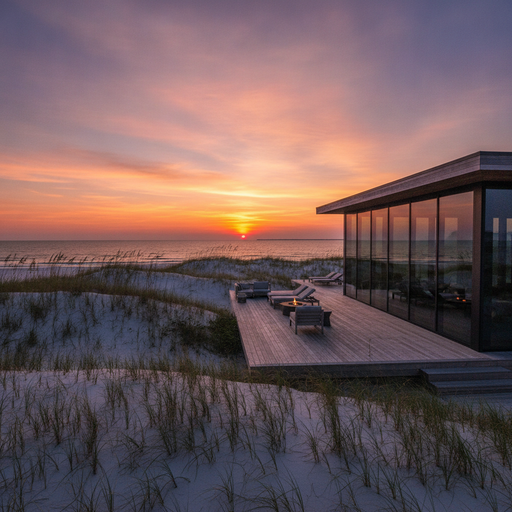
Imagine waking up not to the jarring sound of an alarm clock, but to the rhythmic cadence of waves folding over the shoreline. You step out onto your balcony, a cup of coffee in hand, and the first thing you feel is a gentle, salt-tined breeze brushing against your face. The horizon is a canvas of pastel pinks and fiery oranges as the sun begins its ascent over the Atlantic, or perhaps it is settling quietly into the emerald waters of the Gulf of Mexico. This isn’t a vacation brochure; for thousands of people, this is the daily reality of residential living in Florida’s coastal communities.
SUBMIT YOUR DETAILS FOR
Florida has long been synonymous with paradise. With over 1,350 miles of coastline—the longest in the contiguous United States—the Sunshine State offers a variety of beach living experiences that cater to every soul. Whether you are a young professional seeking the high-energy pulse of Miami, a family looking for the quiet safety of Jupiter, or a retiree dreaming of the white-quartz sands of Siesta Key, Florida’s beach areas provide a lifestyle that is as diverse as the shells scattered along its shores.
Choosing Your Coast: Atlantic vs. Gulf
When you decide to make the move to a Florida beach area, the first major decision you will face is choosing a side. Florida is a peninsula of two distinct personalities, and your choice will dictate your daily scenery and atmosphere.
The Atlantic Coast: Energy and Sunrise
The East Coast of Florida, bordered by the Atlantic Ocean, is known for its vibrant energy and surf-ready waves. From the historic charm of St. Augustine to the luxury high-rises of West Palm Beach, this side of the state feels fast-paced and sophisticated. Here, the water is deeper and the waves are bigger, making it a haven for surfers and water sports enthusiasts. Living on the Atlantic side means being the first to greet the morning sun. Cities like Fort Lauderdale, often called the “Venice of America,” offer a unique blend of beachfront living and intricate canal systems, perfect for those who want a yacht in their backyard.
The Gulf Coast: Serenity and Sunset
Turn your gaze toward the West Coast, and the vibe shifts dramatically. The Gulf of Mexico is famous for its calm, turquoise waters and sand so white and fine it feels like powdered sugar. This is the land of the legendary Florida sunset. Communities like Naples, Sarasota, and Clearwater offer a more relaxed, laid-back pace of life. The water is generally warmer and shallower, making it ideal for wading, paddleboarding, and spotting manatees. Residential living here often revolves around the “Golden Hour,” where neighbors gather on the sand with coolers and chairs to watch the sun dip below the horizon.
The Architectural Flavor of Florida Beach Homes
Living by the sea influences more than just your mood; it dictates the very structure of your home. Florida beach residential architecture is a fascinating blend of form and function. In many areas, you will find the “Coastal Contemporary” style—think clean lines, large glass walls to maximize ocean views, and neutral color palettes that reflect the natural surroundings.
In older, more established neighborhoods, you might find “Florida Cracker” style homes with deep porches and metal roofs designed to provide shade and withstand the elements. Then there are the Mediterranean Revival estates in places like Palm Beach, featuring stucco walls and terracotta tiles that evoke a sense of Old World elegance. Regardless of the style, modern beach residential living often involves “stilt houses” or homes built on elevated piers to protect against storm surges, blending safety with a unique aesthetic that elevates your living space literally and figuratively.
The Reality of the Salt Life: What to Expect
While the idea of living at the beach is romantic, it is important to understand the practicalities of coastal residency. Storytelling often skips the “maintenance” chapter, but a seasoned Floridian knows that the ocean is a powerful neighbor.
- Salt Air Maintenance: That beautiful salt spray is corrosive. Metal fixtures, AC units, and even car paint require more frequent cleaning and maintenance than they would inland.
- Humidity and Climate: Florida is tropical. Living by the beach offers a slight reprieve thanks to the sea breeze, but the humidity is a constant companion. High-quality HVAC systems and dehumidifiers are non-negotiable for comfortable indoor living.
- Hurricane Preparedness: Living in a beach area means being part of a community that respects the power of nature. Modern Florida building codes are among the strictest in the world, requiring impact-resistant windows and reinforced structures to keep residents safe during storm seasons.
The Economic Landscape of Coastal Living
Is living by the beach expensive? It can be, but it is also a strategic investment. Florida is one of the few states with no state income tax, which can provide significant savings for residents. However, beachfront property is a premium commodity. You aren’t just paying for the square footage; you are paying for the “view-shed” and the proximity to the water.
Prospective residents should also factor in specialized insurance. Homeowners in beach areas typically need standard insurance plus windstorm and flood insurance. While these costs are higher than inland properties, many residents find the trade-off worth it for the appreciation in property value and the unparalleled quality of life.
A Day in the Life of a Beach Resident
What does a typical Tuesday look like when you live in a Florida beach community? It usually starts early. Many residents take advantage of the cooler morning temperatures to walk their dogs along the shoreline or join a beach yoga session. There is a profound sense of community found in these early hours; you’ll start to recognize the same faces, the same shorebirds, and the same quiet peace.
Work-life balance takes on a new meaning here. For those working remotely, a “home office” might be a patio overlooking the dunes. Lunch breaks consist of a quick dip in the ocean or a bike ride to a local “clamshell” cafe. After work, instead of fighting traffic in a concrete jungle, you might hop on a boat for a sunset cruise or simply sit on your porch and listen to the gulls. The lifestyle encourages movement, outdoor activity, and a deep coection to the environment.
The Social Fabric of Coastal Towns
One of the biggest misconceptions about Florida beach living is that it’s all tourists and vacationers. While tourism is a heartbeat of the state, the residential communities are tight-knit and welcoming. Coastal towns often host local farmers’ markets, seafood festivals, and boat parades that foster a strong sense of belonging.
In places like the Florida Keys, the “Conch” lifestyle is all about being a “salt of the earth” individual who values fishing, diving, and neighborhood barbecues. In the Panhandle’s 30A area, the community is built around master-plaed “New Urbanism” towns where everything is reachable by bicycle. No matter where you land, you’ll find that the beach acts as a great equalizer, bringing people from all walks of life together under the sun.
Final Thoughts: Is the Beach Life for You?
Residential living in a Florida beach area is more than a change of address; it is a change of pace. It is a commitment to living life more slowly, more vibrantly, and with a greater appreciation for the natural world. It requires a bit of resilience to handle the sun and the salt, but the rewards are found in every sunset, every cooling swim, and every peaceful morning on the sand.
If you are looking for a place where the horizoever ends and the possibilities are as vast as the ocean itself, Florida’s coastline is waiting for you. Whether you choose a high-rise condo in Miami or a quiet bungalow in Fernandina Beach, you aren’t just moving to a house—you are coming home to the sea.