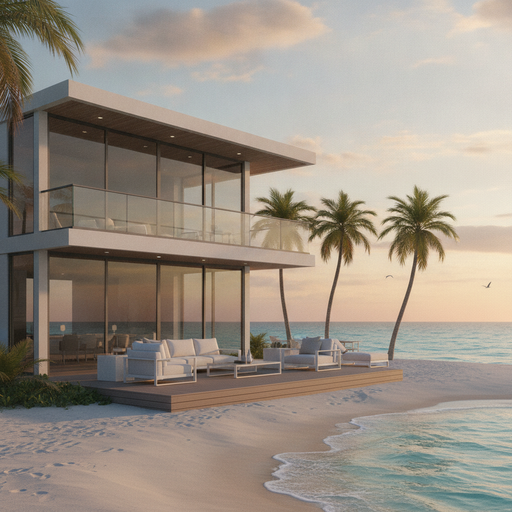

The Dream of the Saltwater Life
Imagine waking up not to the sound of an aggressive alarm clock, but to the rhythmic pulse of the Atlantic Ocean or the gentle lap of the Gulf of Mexico. You step out onto your balcony with a cup of coffee, and instead of a gray suburban street, you see a horizon painted in shades of turquoise and gold. This isn’t just a vacation fantasy; for thousands of people every year, this becomes their daily reality. Florida beach area homes for sale represent more than just real estate; they represent a fundamental shift in lifestyle.
SUBMIT YOUR DETAILS FOR
Florida’s coastline stretches for over 1,350 miles, offering a diverse array of environments. Whether you are looking for a high-rise luxury condo in the heart of a bustling city or a quiet, weathered cottage tucked behind a sand dune, the Sunshine State has something to match your vision of paradise. But buying a home near the water is a unique journey that requires a blend of emotional inspiration and practical savvy.
Choosing Your Coast: Atlantic vs. Gulf
One of the first decisions any prospective buyer must make is which side of the peninsula to call home. While both offer sun and sand, the “vibe” and the geography differ significantly.
The Atlantic Coast: Surfing and Sunrises
The East Coast of Florida is where the sun rises over the water. Cities like Jacksonville, Daytona Beach, and the world-renowned West Palm Beach offer a more energetic atmosphere. The Atlantic Ocean is known for its waves, making it a haven for surfers and those who love a more active oceanfront. Here, you’ll find a mix of historic charm in places like St. Augustine and ultra-modern luxury in Miami. The Atlantic side often feels more coected to the fast-paced pulse of the East Coast, with easy access to major metropolitan hubs.
The Gulf Coast: Sunsets and Serenity
If your dream involves calm, emerald-green waters and white quartz sand that feels like powdered sugar, the Gulf Coast is calling your name. From the Panhandle’s 30A community down to Sarasota and Naples, the West Coast is famous for its breathtaking sunsets. The water here is generally shallower and calmer, perfect for paddleboarding, kayaking, and families with young children. Life on the Gulf tends to move a bit slower, focusing on leisure, boating, and long walks on the beach at dusk.
Types of Beach Area Homes to Consider
Florida’s real estate market is as varied as its seashells. Depending on your budget and your goals, there are several ways to own a piece of the coast.
- Single-Family Waterfront Homes: These are the crown jewels of Florida real estate. Owning a plot of land that touches the sand or a canal leading to the ocean offers the ultimate privacy and freedom. However, they come with higher maintenance responsibilities and insurance costs.
- Luxury Condominiums: For those who want the view without the yard work, a condo is the perfect solution. Many Florida beach condos offer resort-style amenities like infinity pools, fitness centers, and 24-hour security. They are also excellent “lock-and-leave” options for part-time residents.
- Townhomes and Villas: Often located just a block or two back from the water, these offer a middle ground between a house and a condo. They often provide more space than a condo but are managed by an association that handles exterior maintenance.
- Canal-Front Properties: In many Florida cities, you don’t have to be directly on the beach to live on the water. Thousands of homes sit oavigable canals, allowing boaters to keep their vessel right in their backyard and reach the open ocean in minutes.
The Practicalities of Coastal Living
While it is easy to get swept away by the beauty of a beachfront property, savvy buyers know that coastal living comes with specific considerations. When browsing Florida beach area homes for sale, keep these factors in mind:
Hurricane Preparedness and Construction
In Florida, homes are built to handle the elements. When touring homes, look for features like impact-resistant windows, reinforced garage doors, and metal roofs. Newer homes are built to current, strict building codes that have proven to withstand significant storms. If you are looking at an older home, consider the cost of “hardening” the property to lower your insurance premiums and increase your peace of mind.
Understanding Flood Zones and Insurance
Living near the water means understanding flood maps. Your real estate agent should help you identify which flood zone a property sits in. Elevation is key. Many modern coastal homes are built on stilts or have a “blow-out” ground floor to allow water to pass through without damaging the living quarters. Florida has unique insurance requirements, including windstorm and flood insurance, which should be factored into your monthly budget from the start.
The “Salt Life” Maintenance
Salt air is beautiful but corrosive. Living near the beach means that outdoor furniture, AC units, and even the paint on your house will require more frequent attention than a home inland. Many homeowners choose materials like composite decking and high-grade stainless steel to ensure their home stays beautiful against the salty breeze.
Why Now is the Time to Invest
The Florida real estate market has shown incredible resilience over the decades. Florida remains one of the fastest-growing states in the U.S., driven by a lack of state income tax, a pro-business environment, and, of course, the climate. A beach house isn’t just a place to live; it’s a tangible asset.
For investors, Florida beach area homes offer incredible short-term rental potential. Travelers from all over the world flock to the Sunshine State, and a well-located beach property can generate significant income through platforms like Airbnb or VRBO. However, always check local zoning laws and Homeowners Association (HOA) rules, as some communities have restrictions on short-term rentals.
The Lifestyle: What to Expect
Living in a Florida beach area changes you. You become more attuned to the tides and the weather. You start measuring your day by the quality of the light rather than the items on your to-do list. The “Florida lifestyle” is built around the outdoors. Whether it’s morning yoga on the sand, weekend fishing trips, or simply dining al fresco at a waterfront bistro, the barrier between indoor and outdoor living virtually disappears.
The communities themselves are often vibrant and welcoming. Coastal towns are hubs for art festivals, seafood cook-offs, and boat parades. There is a shared sense of appreciation among neighbors—everyone knows how lucky they are to live where others vacation.
Finding Your Perfect Match
How do you start your search? It begins with a conversation. Define your “must-haves.” Do you need to be within walking distance of a pier? Is a private dock more important than a large backyard? Do you want to be in a gated community, or do you prefer the eclectic feel of a non-HOA neighborhood?
Working with a local expert who specializes in waterfront property is essential. They caavigate the nuances of seawalls, riparian rights, and the specific micro-markets of different beach towns. From the quiet shores of Amelia Island to the glamorous high-rises of Suy Isles Beach, your perfect home is out there.
Conclusion: Your Coastal Chapter Starts Here
Buying a home in a Florida beach area is an investment in your happiness. It’s about more than square footage and granite countertops; it’s about the memories you’ll make during sunset walks and the peace you’ll find in the sound of the waves. Florida’s coast is a tapestry of natural beauty and modern luxury, waiting for you to find your place within it. Take the plunge—the water is fine, and your new life in the sun is just a closing date away.