
The Hidden Potential of the Classic American Ranch
Imagine driving through a quiet, tree-lined neighborhood in suburban America. You pass house after house, but one style stands out for its simplicity and long, low profile: the classic ranch home. Originally popularized in the 1950s and 60s, these “ramblers” were the epitome of the American Dream—single-story living, open floor plans, and a seamless coection to the backyard. However, as the decades have passed, many of these architectural gems have begun to look a bit tired. The beige vinyl siding, the tiny windows, and the overgrown shrubbery often mask a structure that is just waiting for a second chance to shine.
SUBMIT YOUR DETAILS FOR
I remember visiting a friend, Sarah, who had just purchased a 1964 brick ranch. From the outside, it looked like a time capsule that hadn’t been opened in fifty years. It was sturdy, yes, but it lacked personality. Sarah didn’t see a “boring box”; she saw a canvas. That is the magic of ranch home renovations. Because of their simple footprint and lack of complex structural layers, ranch homes are among the most rewarding properties to renovate. Whether you want to lean into a sleek modern aesthetic or go for a cozy farmhouse vibe, the possibilities are virtually endless.
1. The Modern Farmhouse Transformation
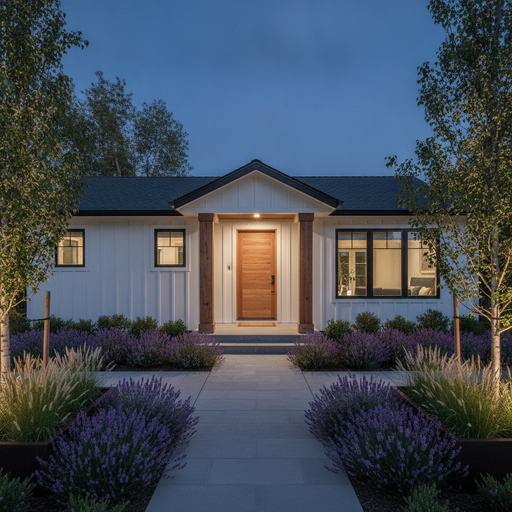
If you have spent any time on Pinterest or watching home renovation shows lately, you know that the “Modern Farmhouse” look is here to stay. This style works surprisingly well with the long, horizontal lines of a ranch home. To achieve this, the first step is often a dramatic color shift. Replacing old, multicolored brick or dated siding with clean, white board-and-batten siding creates an instant “wow” factor.
To ground the design, many homeowners are opting for black window frames. This contrast between the crisp white walls and the sharp black lines of the windows provides a sophisticated, contemporary edge. Adding a reclaimed wood front door and some galvanized steel light fixtures completes the look. For Sarah’s house, we added a small front porch with thick cedar columns. This didn’t just change the look; it changed how she used the house, giving her a place to sit and greet neighbors, effectively breaking up the long, flat facade of the building.
2. Embracing Mid-Century Modern Roots
While some want to change the identity of their ranch, others choose to celebrate its heritage. The ranch home is a close cousin to the Mid-Century Modern movement. If your home has a low-pitched roof and large expanses of glass, you might want to lean into this retro-cool aesthetic. This style is all about “honesty of materials.” Instead of hiding the brick, you might paint it a deep charcoal or a warm sage green.
Consider adding horizontal wood slat accents around the entryway or as a privacy screen for a side patio. The key here is simplicity and geometry. Avoid ornate decorations and instead focus on clean lines. A “sunburst” style door in a pop of color—like teal or orange—can serve as the perfect focal point. Large, floor-to-ceiling windows are a hallmark of this style, blurring the line between the indoors and outdoors, which was the original intent of ranch architecture.
3. Mixing Textures for Visual Interest
One of the biggest complaints about ranch homes is that they can look “flat” or monotonous. A professional design trick to combat this is the use of mixed materials. Rather than using one type of siding for the entire exterior, try combining two or three different textures. For example, you could have a stone veneer along the bottom third of the house, traditional horizontal siding on the main body, and natural wood accents around the gables or the front entrance.
Texture adds depth and makes the house look more custom and high-end. Imagine a dark grey “Hardie” board paired with light limestone and warm oak accents. This combination feels balanced and grounded. It guides the eye across the home, highlighting different architectural features rather than letting them blend into one long blur of color.
4. The Power of the Portico and the Porch
Most vintage ranch homes have a very flush front exterior, meaning there is no depth to the entryway. This can make the house look a bit unwelcoming. Adding a portico—a small roof over the front door—can completely change the silhouette of the home. It creates a sense of arrival and protects your guests from the rain.
If you have more space and a larger budget, extending that portico into a full-width front porch is a game-changer. It adds square footage to your living space (at least visually) and provides a sense of scale that the original design might have lacked. Use wide steps and comfortable seating areas to make the exterior feel like a true extension of the home’s interior comfort.
5. Windows: The Eyes of the Home
Never underestimate the impact of windows. Old ranch homes often featured small, double-hung windows that felt cramped. Replacing these with larger, energy-efficient casement windows or even picture windows can transform both the exterior look and the interior light quality. If your ranch has a beautiful view, why not showcase it? Moving toward larger glass panes gives the home a more expensive, modern feel and can significantly increase your property value.
6. Landscaping and Lighting: The Final Touches
You could spend thousands on siding and doors, but if your landscaping is an afterthought, the renovation will never feel complete. For ranch homes, the goal is to complement the horizontal lines without burying the house in greenery. Opt for layered planting: taller ornamental trees at the corners to soften the edges, followed by medium shrubs and low-lying ground covers or flowers near the walkway.
Outdoor lighting is the “jewelry” of your home’s exterior. In the evening, well-placed uplights on a few architectural features or trees can make a modest ranch look like a luxury estate. Path lights along the walkway and a stylish pendant light in the porch area ensure that your home is as beautiful at 10 PM as it is at 10 AM.
Common Pitfalls to Avoid
- Over-complicating the Roof: Ranch homes are meant to have simple rooflines. Adding too many gables or dormers can make the house look top-heavy.
- Ignoring the Garage: In many ranch designs, the garage takes up a large portion of the front view. Don’t leave the old, dented metal door. Upgrade to a carriage-style door or a modern glass-panel door to match your new aesthetic.
- Scaling Issues: Because the house is low to the ground, oversized light fixtures or massive columns can look out of place. Always keep scale in mind.
Conclusion: Your Home, Reimagined
Renovating a ranch home is a journey of discovery. It’s about peeling back the layers of time to find the sturdy, functional bones underneath and giving them a modern voice. Whether you choose the bold contrast of a modern farmhouse or the sophisticated minimalism of a mid-century redesign, the goal remains the same: to create a space that reflects who you are today.
When Sarah finally finished her renovation, the neighborhood was stued. The “boring brick box” was gone, replaced by a stuing, light-filled home that looked like it belonged on the cover of an architectural magazine. But more importantly, she loved coming home to it. Your ranch home has that same potential. With a bit of vision, a clear plan, and a touch of creativity, you can turn your “rambler” into a remarkable masterpiece that will stand the test of time for another sixty years.