
The Sun, the Sand, and the Hidden Goldmine
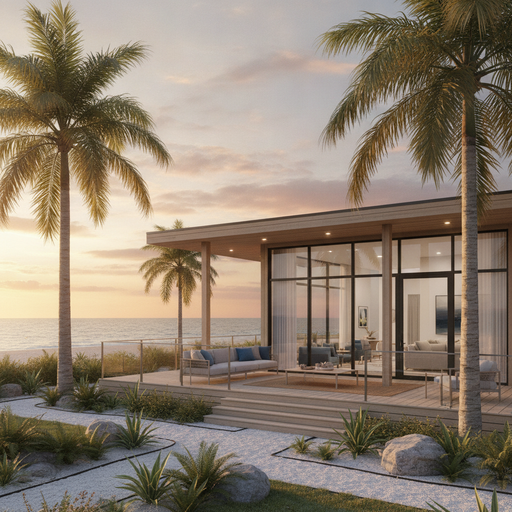
Picture this: You are standing on a wooden deck, the salty Atlantic breeze ruffling your hair as the sun dips below the horizon in a blaze of orange and purple. You hear the rhythmic crashing of waves just a few blocks away. For most people, this mental image comes with a multi-million dollar price tag and a thirty-year mortgage that feels more like a weight than a dream. But what if I told you that this coastal lifestyle—and the incredible investment potential that comes with it—is being unlocked by an asset class most investors are still overlooking?
SUBMIT YOUR DETAILS FOR
Welcome to the world of manufactured housing on the Florida coast. For decades, the term “mobile home” carried a certain stigma, conjuring images of dusty parks and outdated trailers. But times have changed. Today, manufactured homes are the “best-kept secret” in the Florida real estate market. They offer a unique blend of affordability, high rental yields, and a front-row seat to one of the most desirable coastlines in the world. As traditional home prices in the Sunshine State skyrocket, savvy investors are turning their eyes toward these prefabricated gems to build serious wealth.
The Great Florida Migration
To understand why manufactured housing is such a potent investment, we first have to look at the macro picture. Florida is currently experiencing a historic influx of new residents. Whether it is retirees looking for a warm place to spend their golden years, remote workers escaping high-tax states, or young families seeking a better quality of life, thousands of people are moving to Florida every single week.
This massive migration has created a housing squeeze. The demand for coastal living is at an all-time high, but the supply of “stick-built” single-family homes is incredibly tight and expensive. This is where manufactured housing fills the gap. It provides a “middle-ground” luxury—allowing residents to live near the beach without the seven-figure debt. As an investor, you aren’t just buying a piece of property; you are providing a solution to a massive housing shortage in one of the fastest-growing regions in America.
Modern Manufactured Homes: A Paradigm Shift
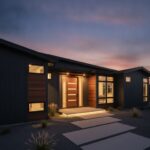
If you haven’t stepped inside a modern manufactured home lately, you are in for a surprise. Gone are the days of thin walls and cramped layouts. Today’s manufactured homes, especially those designed for the Florida market, often feature high-end finishes like granite countertops, stainless steel appliances, vaulted ceilings, and spacious master suites. Many are built to withstand the rigorous standards of the HUD Code, which was significantly updated to ensure these homes can handle the unique weather challenges of the coastal Southeast.
From a storytelling perspective, imagine a tenant who wants the “Florida Vibe.” They want to be ten minutes from the Gulf of Mexico. They want a clean, modern space with a porch for their morning coffee. When they see a newly renovated manufactured home that looks and feels like a designer bungalow but costs half the rent of a traditional condo, the choice is easy. For you, the investor, this means lower acquisition costs and higher tenant retention.
The Economics of Coastal Cash Flow
Let’s talk numbers. The primary allure of manufactured housing investment is the return on investment (ROI). In the world of real estate, your “cap rate” is king. Because the entry price for a manufactured home is significantly lower than a traditional coastal home, your mortgage or capital outlay is minimized. However, the rental rates for these homes—especially in coastal counties like Volusia, Brevard, or Lee—remain surprisingly high.
There are three main ways investors are playing this game on the Florida coast:
- The Long-Term Rental: Buying a manufactured home on its own land (Fee Simple) and renting it to a local family or retiree. The demand for long-term coastal housing is nearly inelastic.
- The Vacation Rental (STR): With platforms like Airbnb and VRBO, a stylish manufactured home near the beach can become a cash cow. Tourists love the “quirky beach cottage” aesthetic, and you can often charge premium nightly rates during the peak winter and spring break seasons.
- The Park Model (Land-Lease): Investing in homes located within established communities. While you pay a lot rent, the community often provides amenities like pools, clubhouses, and lawn maintenance, which increases the property’s appeal to high-quality tenants.
Navigating the “Hurricane” Question
Whenever I talk to investors about Florida coastal property, the first question is always about the weather. It’s a fair concern. Hurricanes are a reality of life in the tropics. However, it is important to distinguish between old trailers and modern manufactured housing. Since the mid-1990s, HUD regulations have required manufactured homes in coastal “Wind Zones” to be built with enhanced structural integrity, often rivaling or exceeding traditional frame houses.
Smart investors mitigate risk by ensuring their properties are properly anchored and insured. In fact, many modern manufactured home parks in Florida are designed with drainage systems and windbreaks that make them remarkably resilient. When you factor in the lower cost of the asset, even the insurance premiums often leave plenty of room for a healthy profit margin.
Location, Location, Location: Where to Look?
The Florida coast is vast, but not all stretches of sand are created equal for investors. If you are looking for the best opportunities in manufactured housing, consider these regions:
1. The Space Coast (Brevard County)
With the booming aerospace industry and proximity to Orlando, towns like Palm Bay and Cocoa Beach are seeing huge demand. Manufactured housing here serves a workforce of engineers and technicians who want coastal access without the luxury price tag.
2. The Nature Coast (Citrus and Pasco Counties)
For a more “Old Florida” feel, the Gulf side offers incredible value. Areas near Crystal River are famous for manatees and fishing, making them prime spots for vacation rentals that utilize manufactured homes as basecamps for outdoor enthusiasts.
3. The Panhandle (Emerald Coast)
While some areas are hyper-expensive, the outskirts of Pensacola and Panama City offer pockets where manufactured housing communities are thriving. The white quartz sand is a magnet for tourists year-round.
The Path Forward: How to Get Started
Investing in this niche requires a slightly different mindset than traditional flipping. You need to focus on “curb appeal.” Because there is still a lingering stigma for some, your job as an investor is to prove them wrong the moment they pull into the driveway. Fresh paint, professional landscaping, and modern interior lighting go a long way in this market.
Start by networking with local park managers and specialized real estate agents who understand the “manufactured” niche. Look for properties where the “bones” are good but the aesthetics are dated. A $20,000 renovation on a manufactured home can often increase its value or rental potential far more than the same investment would on a million-dollar mansion.
Conclusion: The Future is Prefab
As we look toward the future of the Florida real estate market, one thing is clear: affordability is the biggest challenge facing the state. By investing in manufactured housing on the coast, you are positioning yourself at the intersection of affordability and luxury. You are providing a way for people to live their Florida dream while you build a portfolio that generates consistent, reliable cash flow.
The waves will keep crashing, the sun will keep shining, and the people will keep coming. The only question is: will you be the one owning the roof over their heads? It’s time to stop looking past the manufactured home and start looking at the incredible opportunity it represents. The Florida coast is calling, and the investment of a lifetime might just be a “mobile” one.