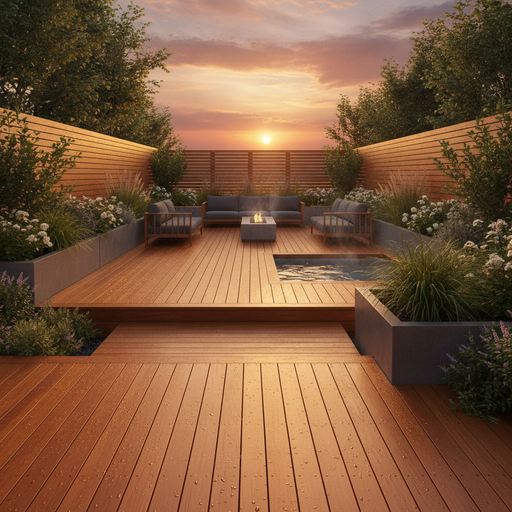

The Tale of Two Decks: Why Quality Matters
Imagine two neighbors, Sarah and Mark. Both spent a significant portion of their summer savings building beautiful western red cedar decks. Sarah, looking to save a few dollars, picked up a standard “all-in-one” sealer from a local hardware store. Mark, on the other hand, spent weeks researching premium exterior wood finishes, eventually settling on a high-end penetrating oil system designed for architectural longevity.
Fast forward eighteen months. Sarah’s deck is peeling. The harsh summer sun has bleached the wood to a ghostly gray in some spots, while the damp winter caused unsightly black mold to bloom under the surface of the failing film. Mark’s deck, however, still glows with a rich, warm amber hue. The water still beads on the surface like a freshly waxed car, and the wood looks as vibrant as the day it was installed. This isn’t just luck; it is the tangible difference that premium wood finishes make.
SUBMIT YOUR DETAILS FOR
When we talk about premium exterior wood finishes, we aren’t just talking about a higher price tag. We are talking about advanced chemistry, superior pigments, and a commitment to preserving the structural integrity of your outdoor living spaces. In this guide, we will explore why premium finishes are the only real choice for the discerning homeowner and how to choose the right one for your sanctuary.
The Science of Protection: What Happens Beneath the Surface?
Wood is a living, breathing material. Even after it has been harvested and milled into lumber, it reacts to its environment. It expands when it’s humid and contracts when it’s dry. Standard, low-cost finishes often act like a plastic wrap; they sit on top of the wood. When the wood moves, that “wrap” cracks. Once the seal is broken, moisture gets trapped underneath, leading to rot and peeling.
Premium finishes, particularly those categorized as penetrating oils or high-solids stains, work differently. They are engineered with smaller molecular structures that allow them to dive deep into the wood fibers. Instead of creating a brittle shell, they saturate the wood cells with protective resins and oils. This keeps the wood supple and prevents it from “checking” or cracking. More importantly, these premium formulas are “breathable,” meaning they allow internal moisture to escape while preventing liquid water from entering.
The Enemy Above: UV Protection and Pigmentation
If moisture is the silent killer of wood, the sun is its most aggressive predator. Ultraviolet (UV) rays break down lignin, the natural glue that holds wood fibers together. This is what causes wood to turn gray and become brittle. Premium exterior wood finishes use high-quality, trans-oxide pigments. These aren’t just colors; they are microscopic shields.
Unlike cheap stains that use dyes or standard pigments, trans-oxide pigments are ground so finely that they provide incredible clarity while reflecting UV radiation. This is why a premium “Natural” or “Cedar” tint looks so much more vibrant than a budget version. You get the protection of a solid paint with the breathtaking beauty of the natural grain. When you invest in a premium finish, you are essentially applying a high-SPF sunscreen to your home that won’t wash off in the first rainstorm.
Choosing Your Weapon: Types of Premium Finishes
Not all wood is created equal, and neither are the finishes designed to protect it. Understanding the different categories is essential for achieving the look and performance you desire.
1. Penetrating Oil Finishes
Often considered the “gold standard” for decks and siding, penetrating oils like those containing tung oil or specialized synthetic resins soak into the wood. They provide a matte, natural look. The biggest advantage? They never peel. When it’s time for maintenance, you simply clean the wood and apply a fresh coat—no sanding required.
2. Water-Borne Alkyds
These represent the piacle of modern coating technology. They offer the deep penetration of an oil with the fast drying times and low odor of water-based products. They are incredibly durable and resistant to fading, making them a favorite for modern architectural homes with large spans of vertical wood siding.
3. Film-Forming High-Gloss Finishes
If you are looking for that “yacht” look for your front door or garden gate, premium film-forming finishes provide a thick, luxurious build. However, these require more skill to apply and more effort to maintain, as they must be sanded back if they ever begin to fail.
The Hidden Cost of “Cheap” Finishes
Many homeowners are deterred by the $100+ price tag per gallon often associated with premium brands. However, a professional-grade finish is actually the more economical choice over a five-year period. Think of it this way:
- Budget Finish: Costs $40/gallon. Lasts 1 year. Requires aggressive sanding and stripping before re-application. Labor cost is high.
- Premium Finish: Costs $110/gallon. Lasts 3-4 years. Maintenance involves a simple wash and a “maintenance coat.” Labor cost is low.
When you factor in the cost of your time (or the cost of hiring a contractor) and the shortened lifespan of the wood itself, the premium option pays for itself before the first winter even arrives.
The Secret is in the Prep: A Professional’s Workflow
Even the most expensive finish in the world will fail if applied to a dirty or poorly prepared surface. If you want that magazine-ready look, follow this storytelling approach to preparation:
First, you must “open” the wood. New wood often has “mill glaze,” a shiny surface created by the heat of the saws at the lumber yard. A light sanding or a specialized wood cleaner is necessary to break this glaze so the finish can actually get inside. Second, the wood must be dry. Applying a premium oil to damp wood is like trying to mix oil and water—it simply won’t bond.
Finally, application technique matters. Many premium finishes prefer “wet-on-wet” application, where you apply a second coat while the first is still damp to ensure maximum saturation. Always work the full length of a board to avoid “lap marks.” It’s a labor of love, but the results are undeniable.
Environmental Responsibility
In the past, the “best” finishes were the most toxic. That is no longer the case. Today’s premium manufacturers are leading the charge in Low-VOC (Volatile Organic Compound) technology. This means you can protect your home without releasing harmful chemicals into your garden or breathing in toxic fumes. Many top-tier brands now use bio-based ingredients, ensuring that your beautiful outdoor space stays healthy for your family and the local ecosystem.
Conclusion: An Investment in Beauty and Longevity
Your home’s exterior wood is an extension of your personality and a significant financial investment. While it might be tempting to grab the most convenient option at the big-box store, your wood deserves better. Premium exterior wood finishes offer a level of depth, protection, and ease of maintenance that budget products simply caot match.
By choosing a high-quality finish, you are choosing to spend your weekends enjoying your deck rather than scrubbing it. You are choosing to highlight the unique thumbprint of nature found in every grain of wood. Like a fine leather jacket or a well-made pair of boots, quality wood finishes age gracefully, protecting the heart of the material for decades to come. Don’t just coat your wood—honor it.