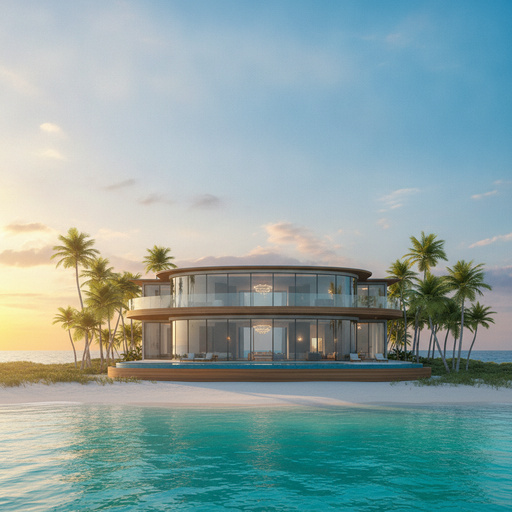

The Allure of the Salt Life
Imagine waking up to the rhythmic sound of waves gently crashing against the shore. You step out onto your balcony with a cup of coffee, the warm Florida sun already kissing your face, and the scent of salt air filling your lungs. For many, owning a beach home in the Sunshine State is the ultimate dream—a reward for years of hard work and a sanctuary for making lifelong memories. However, the journey from scrolling through Zillow listings to actually turning the key in your front door can be as unpredictable as a tropical storm if you aren’t prepared.
SUBMIT YOUR DETAILS FOR
Buying property on the coast isn’t the same as buying a suburban home in the Midwest. The elements are different, the laws are unique, and the financial stakes are often higher. In this guide, we’re going to walk through the essential tips for buying a Florida beach home, moving past the aesthetic beauty and into the practical reality of coastal living. Whether you’re looking for a retirement nest, a vacation getaway, or a lucrative rental investment, here is what you need to know before you dive in.
1. Choosing Your Coast: Atlantic vs. Gulf
One of the first decisions you’ll need to make is which side of the peninsula feels like home. Florida offers two distinct coastal experiences, and the “vibe” varies significantly between them.
The Atlantic Coast (East Coast) is known for its energy. If you love surfing, active boardwalks, and watching the sunrise over the horizon, places like New Smyrna Beach, Cocoa Beach, or the luxury stretches of Palm Beach might be for you. The water tends to be a bit cooler and the waves more pronounced. It’s a coast of movement and early mornings.
The Gulf Coast (West Coast), on the other hand, is famous for its “sugar-sand” beaches and calmer, emerald waters. Places like Siesta Key, Clearwater, and Naples offer world-class sunsets that draw crowds every single evening. The water is generally warmer and shallower, making it a favorite for families and those looking for a tranquil retreat. Your choice will dictate not just your lifestyle, but also the environmental factors your home will face.
2. Understanding Flood Zones and Elevation
In Florida, water is your best friend and your most persistent neighbor. When buying a beach home, you must understand the Federal Emergency Management Agency (FEMA) flood maps. These maps determine your flood risk and, consequently, your insurance requirements.
A home might look beautiful on its stilts, but its elevation is a critical factor in its longevity and your bank account’s health. “Base Flood Elevation” (BFE) is a term you will become very familiar with. If a home is built below the BFE, your insurance premiums will skyrocket. Modern coastal homes are often built on pilings or “stilts” to allow storm surges to pass underneath the living quarters. While this adds a unique architectural flair, it’s a functional necessity for surviving Florida’s hurricane seasons.
3. The Reality of Maintenance: Salt, Sand, and Sun
The very things that make a beach home desirable—the sun and the sea—are also the things that work tirelessly to degrade your property. This is what locals call the “salt tax.” Saltwater spray is corrosive; it can eat through metal railings, damage air conditioning compressors, and degrade certain types of exterior paint in a fraction of the time it would take inland.
When touring homes, look at the hardware. Are the door handles pitted? Is the AC unit rusted? You’ll want to invest in materials like impact-resistant windows, stainless steel hardware, and composite decking rather than traditional wood. Routine maintenance for a beach home is a non-negotiable part of ownership. If you aren’t prepared to rinse your windows regularly or service your HVAC system twice a year, the coastal lifestyle might become a headache.
4. Insurance: More Than Just a Premium
In recent years, the Florida insurance market has become complex. When buying a beach home, you aren’t just looking for standard homeowners insurance. You will likely need three separate policies:
- Hazard Insurance: For standard fire and theft.
- Flood Insurance: Often mandated by lenders if you are in a high-risk zone.
- Windstorm Insurance: Covers damage from hurricanes and tropical storms.
Before you make an offer, get an insurance quote. Sometimes the cost of insuring a beach property can be the deciding factor in whether the home fits your budget. Ask the seller for a “Wind Mitigation Report.” This document details how well the roof and openings are protected against high winds, and a good report can lead to significant discounts on your premiums.
5. Condo vs. Single-Family Home
Deciding between a high-rise condo and a standalone house is about more than just privacy. In a condo, the Homeowners Association (HOA) handles the exterior maintenance and insurance for the building’s structure. This can be a huge relief, but it comes with monthly fees and “special assessments.”
Following the Surfside tragedy, Florida has implemented stricter inspection laws for aging high-rise buildings. This means many older condos are undergoing expensive structural repairs. If you’re looking at a condo, dive deep into the HOA’s “reserve study.” Do they have enough money saved for a new roof or balcony repairs, or will they be knocking on your door for an extra $20,000 next year? A single-family home gives you more control but puts all the responsibility—and the bills—directly on your shoulders.
6. Zoning and Short-Term Rental Rules
Many buyers plan to offset the cost of their beach home by renting it out on platforms like Airbnb or Vrbo when they aren’t using it. This is a brilliant strategy, but you must check the local zoning laws first. Many Florida beach towns have strict “minimum stay” requirements. Some areas may require a 30-day minimum, while others allow nightly rentals.
Furthermore, if you are buying in an HOA-governed community, the board may have its own rules regarding rentals. Never take a real estate agent’s word for it—verify the city ordinances and the HOA bylaws yourself. A “dream investment” can quickly become a “financial burden” if you find out you aren’t legally allowed to rent it to vacationers.
7. The Importance of a Specialized Home Inspection
A standard home inspection is a great start, but for a beach property, you need a specialist. You want someone who understands the intricacies of seawalls, docks, and the specific structural needs of coastal buildings. If the home has a seawall, have it inspected by a marine contractor. A failing seawall can cost tens of thousands of dollars to repair and is a critical component of your property’s defense against erosion.
You should also look for signs of “concrete spalling”—where the rebar inside the concrete rusts and expands, causing the concrete to crack and flake off. This is a common issue in salty environments and can lead to major structural concerns if left unaddressed.
Conclusion: Is It Worth It?
With all the talk of insurance, maintenance, and flood zones, you might start to wonder if a Florida beach home is worth the effort. The answer, for those who truly love the ocean, is a resounding yes. There is a peace that comes with coastal living that simply can’t be replicated elsewhere. The key is to go into the process with your eyes wide open.
By doing your due diligence—choosing the right coast, understanding the costs of insurance and maintenance, and vetting the local regulations—you turn a risky gamble into a sound investment. A Florida beach home isn’t just a piece of real estate; it’s a front-row seat to one of nature’s greatest shows. Take your time, hire the right experts, and soon enough, the only thing you’ll have to worry about is whether you have enough sunscreen for the afternoon.