
The Unlikely Treasure in Your Backyard
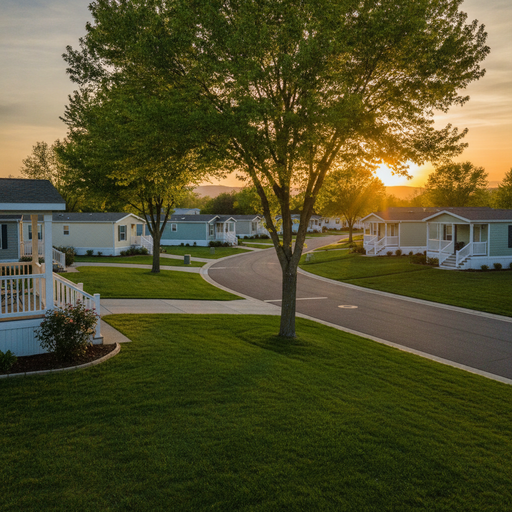
Imagine, for a moment, that you are standing at the edge of a quiet, tree-lined property just outside of town. To the untrained eye, it looks like a collection of modest manufactured homes. To a seasoned investor, however, this isn’t just a plot of land—it is a “parking lot for houses” that generates consistent, recession-resistant cash flow. For decades, mobile home parks were the overlooked stepchildren of the real estate world. While everyone else was chasing shiny new apartment complexes or flipping suburban ranch houses, a quiet group of savvy investors was building massive wealth through mobile home park ownership.
SUBMIT YOUR DETAILS FOR
Today, the secret is out. As the housing affordability crisis reaches a breaking point across the United States, mobile home parks have emerged as one of the most lucrative and stable asset classes in the real estate market. In this guide, we are going to walk through the journey of why this opportunity exists, how the business model works, and how you can step into the world of park ownership to secure your financial future.
Understanding the “Parking Lot” Business Model
The beauty of mobile home park ownership lies in its simplicity. In a traditional apartment building, you are responsible for everything: the leaky faucets, the broken toilets, the peeling wallpaper, and the noisy neighbors. When you own a mobile home park (MHP), the business model shifts dramatically. Most of the time, you are simply leasing the land—the “pad”—to the homeowner.
Think of it like this: you own the infrastructure, the roads, and the utilities, but the tenant owns the actual structure they live in. This creates a powerful dynamic for the owner:
- Reduced Maintenance: Since the tenant owns the home, they are responsible for fixing the roof or repairing the kitchen sink. Your primary responsibility is maintaining the common areas and the utility lines.
- Low Tenant Turnover: It costs thousands of dollars to move a mobile home. Because of this, tenants are incentivized to stay for years, if not decades. While an apartment dweller might leave because of a small rent hike, a mobile home owner is far more likely to stay put.
- Consistent Cash Flow: With low overhead and long-term tenants, the net operating income (NOI) of a well-run park is often much higher than other residential investments.
The Crisis Driving the Opportunity
Why is now the time to look at mobile home park ownership? The answer lies in supply and demand. Currently, the US is facing a massive shortage of affordable housing. Millions of Americans are being priced out of traditional stick-built homes and luxury apartments. Mobile homes provide the only non-subsidized form of affordable housing in the country.
Furthermore, the supply of mobile home parks is shrinking. Many cities have placed moratoriums on the construction of new parks, and some existing parks are being cleared to make way for high-rise developments or shopping centers. When demand is skyrocketing and supply is capped by law, the value of the existing properties inevitably goes up. As a park owner, you are providing a vital service to your community while benefiting from an incredibly favorable market position.
How to Spot a Diamond in the Rough
Not all mobile home parks are created equal. Finding the right ownership opportunity requires a keen eye and a bit of detective work. When you are scouting for your first or next park, you should look for “value-add” opportunities. These are parks that are currently underperforming but have the potential to grow.
Look for parks with “mom and pop” owners who may have neglected the property or haven’t raised rents to market levels in a decade. Signs of opportunity include:
- Below-Market Rents: If the park next door is charging $500 for a lot and your target park is charging $300, there is an immediate opportunity to increase value.
- Inefficient Billing: Many older parks include water and sewer in the rent. By installing sub-meters and billing tenants for their actual usage, you can instantly slash your expenses and increase your profit.
- Vacant Pads: A park with empty lots is an opportunity to bring iew or used homes, sell them to residents, and start collecting pad rent on land that was previously earning nothing.
The Due Diligence Checklist
Owning a park sounds like a dream, but you must do your homework before signing on the dotted line. The “bones” of a mobile home park are underground, and that is where the risks hide. Before you buy, you need to investigate the following:
1. Utility Infrastructure
Is the park on city water and sewer, or does it use septic tanks and wells? City utilities are the gold standard. Maintaining a private wastewater treatment plant or a dozen septic tanks can be expensive and carries significant regulatory risk. Always hire a professional to scope the lines and check the health of the electrical grid.
2. Zoning and Permits
Ensure the park is a “legal conforming” or “legal non-conforming” use. You want to make sure that if a fire or storm destroyed a portion of the park, the city would actually allow you to rebuild it. Some parks exist under old grandfather clauses that could be revoked under certain conditions.
3. Tenant Estoppel Certificates
Don’t just take the seller’s word for it. Get signed documents from the tenants confirming how much they pay in rent, whether they have a security deposit, and if they own their home or are renting it from the current owner. This prevents “surprises” the day after you take ownership.
Management: Boots on the Ground vs. Remote Ownership
Once you acquire a park, the real work begins. You have two main choices: manage it yourself or hire a professional management company. Many investors start by hiring a “resident manager”—a tenant who lives in the park and receives a discount on rent or a small salary in exchange for collecting checks, enforcing rules, and overseeing basic maintenance.
In the digital age, remote ownership has become much easier. With online rent payment portals, cloud-based security cameras, and national contracting services, you can own a park in Ohio while living in California. However, the most successful owners are those who visit their properties regularly and build a sense of community. When a park feels safe, clean, and well-managed, tenants are happier, and the asset’s value continues to climb.
The Path to Scaling Your Portfolio
Mobile home park ownership is rarely a “one and done” investment. Once you understand the mechanics of one park, you can use the cash flow to leverage your next purchase. Many investors use the BRRRR method (Buy, Rehab, Rent, Refinance, Repeat) tailored for parks. By improving the roads, cleaning up the landscaping, and filling vacant lots, you increase the property’s appraisal value, allowing you to pull out your initial capital through a refinance and move on to the next opportunity.
Conclusion: Building a Legacy of Affordable Housing
Mobile home park ownership is more than just a financial transaction; it is an opportunity to provide dignity and stability to families who need it most. While the “trailer park” stigma persists in pop culture, the reality of modern manufactured housing communities is one of hard-working people, tight-knit neighbors, and a growing demand for a place to call home.
For the investor, the math is undeniable. With high yields, low competition from institutional buyers (though that is changing fast), and a fundamental supply-demand imbalance, mobile home parks represent one of the last frontiers of high-return real estate. Whether you are looking for a small 10-pad park to supplement your retirement or a 200-pad community to build a real estate empire, the opportunity is waiting. It’s time to stop looking at the houses and start looking at the land beneath them.