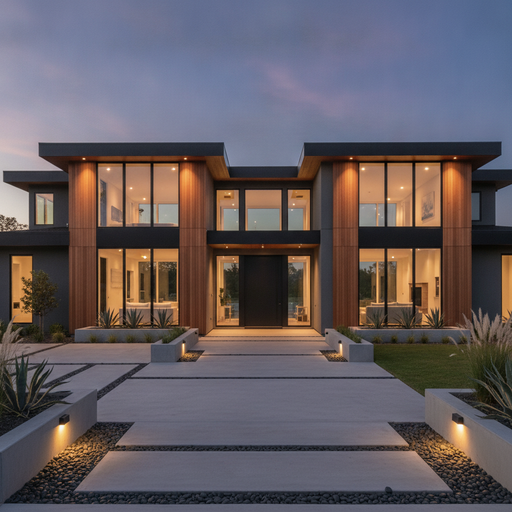

The Power of the First Impression
Imagine you are driving home after a long day. As you turn the corner into your neighborhood, you see a house that stands out—not because it is loud or flashy, but because it feels intentional, clean, and welcoming. That “wow” factor is what we call curb appeal. In the world of modern design, curb appeal is more than just a mowed lawn and a fresh coat of paint; it is a philosophy of minimalism, functionality, and the seamless integration of nature and architecture.
SUBMIT YOUR DETAILS FOR
For many homeowners, the thought of a modern exterior renovation feels overwhelming. Where do you start? How do you balance “trendy” with “timeless”? The journey to a stuing modern exterior begins with a plan. It is a storytelling process where every material, plant, and light fixture plays a role in the narrative of your home. Let’s walk through the steps of plaing a modern exterior that not only increases your property value but also makes you smile every time you pull into the driveway.
Defining the Modern Aesthetic: Less is More
Before you pick up a shovel or a paintbrush, it is crucial to understand what “modern” actually means in the context of curb appeal. Modern design is often characterized by clean lines, a neutral color palette, and a focus on texture rather than ornamentation. Unlike traditional styles that may feature ornate columns or busy shutters, modern design embraces the beauty of the structure itself.
When plaing, think about horizontal and vertical lines. Are your windows emphasizing height? Is your fencing creating a sense of privacy through sleek, horizontal slats? By stripping away the uecessary clutter, you allow the high-quality materials—like natural wood, industrial metal, and smooth concrete—to take center stage. This “less is more” approach creates a sense of calm and sophistication that is the hallmark of contemporary living.
The Focal Point: Your Front Door as a Handshake
In any good story, there is a central character. In the story of your home’s exterior, that character is the front door. Think of your front door as the “handshake” of your home—it is the first point of physical contact for a guest and the primary focal point for a passerby.
To achieve a modern look, consider moving away from standard paneled doors. Instead, look for oversized pivot doors or doors with geometric glass inserts. Material choice is also key. A natural white oak or mahogany door can add warmth to a cool, gray exterior. Conversely, a bold, matte black or even a “pop” color like deep navy or sage green can provide a sophisticated contrast. Remember to update the hardware as well; long, vertical pull bars in brushed gold or matte black are quintessential modern touches that feel both functional and artistic.
Landscaping with Precision: The “Xeriscape” Influence
Gone are the days of the perfectly manicured, thirsty green lawn being the only standard for beauty. Modern landscaping, often influenced by xeriscaping, focuses on drought-tolerant plants, structural shapes, and low maintenance. The goal is to create a landscape that looks like a curated gallery rather than a wild forest.
When plaing your modern garden, use “zoning.” Create distinct beds using steel edging or concrete borders to keep things organized. Use ornamental grasses like Feather Reed or Blue Oat Grass to add movement and softness against the hard lines of the house. Incorporate structural plants like Agave, Yucca, or boxwoods trimmed into sharp spheres or cubes. Don’t forget the hardscaping—large-format concrete pavers separated by Mexican river pebbles or black lava rock create a striking, geometric walkway that guides the eye directly to your entrance.
Lighting: Painting with Shadows and Glows
Modern curb appeal doesn’t sleep when the sun goes down. In fact, a well-plaed lighting scheme can make a home look even more architectural at night. The secret to modern exterior lighting is “layering.” You want to avoid one single, bright floodlight that washes everything out. Instead, aim for a subtle, sophisticated glow.
- Path Lighting: Use low-profile, directional LED lights to illuminate your walkway. This provides safety and highlights the texture of your pavers.
- Up-lighting: Place lights at the base of architectural features or unique trees. This creates dramatic shadows and emphasizes the height of your home.
- Sconces: Replace old-fashioned porch lights with sleek, minimalist sconces. Look for “up-and-down” lights that cast beams in both directions, adding a vertical element to your walls.
- Smart Integration: Modern homes thrive on smart technology. Plaing for a system that automatically dims or shifts color temperature based on the time of day adds a layer of luxury and convenience.
Materials and Textures: The Industrial-Natural Mix
One of the most exciting parts of modern exterior plaing is the “mix.” A monolithic house made of just one material can feel cold. To make a modern home feel inviting, you need to balance industrial materials with natural ones. This contrast is what creates visual interest and depth.
Consider a combination of smooth cement fiberboard (like Hardie panels) with warm cedar siding. The gray of the concrete feels urban and sturdy, while the wood brings in organic warmth. Metal accents are also a staple of the modern look. Black aluminum window frames, steel railings, or even a standing-seam metal roof can give your home a sharp, updated edge. When selecting these materials, think about how they will age. Modern design celebrates materials that patina gracefully, telling a story of time and weather while maintaining their structural integrity.
The Power of the Details: Numbers, Mailboxes, and Hardware
If the siding and landscaping are the “bones” of your curb appeal, the accessories are the “jewelry.” Often, homeowners spend thousands oew windows but forget to replace the $20 plastic house numbers from the hardware store. To truly execute a modern vision, the details must be consistent.
Modern house numbers should be large, legible, and styled in a sans-serif font like Helvetica or Futura. Mounting them floating off the wall with spacers creates a beautiful shadow effect. Similarly, your mailbox should reflect the home’s architecture. A wall-mounted or post-mounted mailbox in heavy-gauge steel with a minimalist silhouette makes a huge difference. Even your gutters can be part of the design—consider “box gutters” or rain chains instead of traditional round downspouts to turn a functional necessity into a design feature.
Sustainability: The Future of Curb Appeal
In the modern era, “beautiful” also means “responsible.” When plaing your exterior, look for ways to incorporate sustainable practices. This might mean installing a rain garden to manage runoff, using recycled composite decking instead of rare hardwoods, or choosing light-reflective roofing materials to reduce cooling costs. A modern home that works in harmony with its environment isn’t just a trend; it is a smart investment. Buyers today are increasingly looking for homes that are efficient and eco-conscious, so these “green” choices will pay dividends in the long run.
Conclusion: Bringing the Vision to Life
Plaing modern exterior curb appeal is a journey of editing. It is about choosing quality over quantity and structure over chaos. It starts with a vision of clean lines and ends with a home that feels like a sanctuary before you even step through the front door. By focusing on a strong focal point, a curated landscape, intentional lighting, and a thoughtful mix of materials, you can transform an ordinary house into a modern masterpiece.
Remember, your home’s exterior is the first chapter of your story. Make it a compelling one. Whether you are doing a full-scale renovation or just updating a few key elements, keep the principles of modern design close at hand: simplicity, functionality, and a deep respect for the materials you choose. Your “wow” moment is just a plan away.