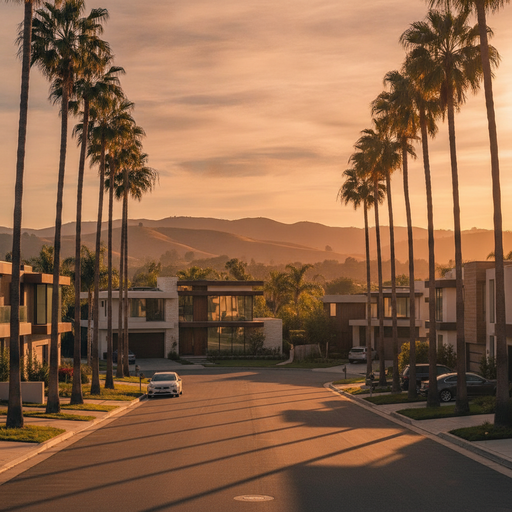

The Allure of the Golden Dream
Imagine standing on the edge of the Pacific coast, the salty breeze hitting your face as the sun dips below the horizon in a blaze of orange and purple. This is the California dream—a vision that has drawn millions to the Golden State for over a century. From the tech hubs of Silicon Valley to the sun-drenched streets of San Diego, California represents opportunity, iovation, and a lifestyle that is hard to replicate anywhere else in the world.
However, for anyone looking to plant roots here, that dream often comes with a significant price tag. The California housing market is a living, breathing entity, characterized by its incredible resilience and its frustrating complexity. Over the last few years, we have witnessed a rollercoaster of price surges, inventory shortages, and shifting buyer behaviors that have left both investors and first-time homebuyers wondering: what is actually happening with the growth of the California housing market?
SUBMIT YOUR DETAILS FOR
A Market That Refuses to Cool Down
Despite the headlines predicting a massive exodus or a bursting bubble, the reality of California’s real estate is much more nuanced. Growth in this state isn’t just about prices going up; it’s about the underlying strength of an economy that remains the fifth largest in the world. Even when interest rates spiked and the national market felt a chill, California’s core regions continued to see steady demand.
The story of growth here is told through the lens of supply and demand. For decades, California has faced a chronic undersupply of housing. We simply aren’t building enough homes to keep up with the population’s needs. When you have a limited number of “products” (homes) and a high number of “customers” (buyers), the value of those products naturally rises. This fundamental economic truth is the primary engine behind the state’s long-term price appreciation.
The Regional Shift: Beyond the Coastal Giants
For a long time, the growth story was centered almost exclusively on Los Angeles, San Francisco, and San Diego. But the narrative is changing. We are currently witnessing a fascinating “inland migration.” As coastal prices reached levels that felt unattainable even for high-earners, buyers began looking eastward.
Cities in the Central Valley, such as Sacramento, Fresno, and Bakersfield, have seen some of the most significant growth percentages in the state. Remote work—a legacy of the 2020 pandemic—acted as a catalyst. Suddenly, a software engineer in San Jose could trade a cramped two-bedroom condo for a spacious four-bedroom home with a pool in the Sierra Nevada foothills, all while keeping their Bay Area salary. This shift has decentralized California’s growth, spreading the equity wealth into regions that were previously overlooked.
Understanding the Inventory Squeeze
If you talk to any real estate agent from Redding to Riverside, they will tell you the same thing: “We need more listings.” The growth in home values is being sustained by what experts call the “lock-in effect.” Many homeowners in California are currently sitting on mortgage rates between 2.5% and 4%. For these individuals, moving means trading a very low monthly payment for a much higher one at current market rates.
Consequently, they stay put. This lack of inventory creates a floor for housing prices. Even when buyer demand dips due to higher interest rates, the scarcity of available homes prevents prices from falling significantly. In many popular neighborhoods, “growth” is being measured by how quickly a home sells, often with multiple offers still being the norm for well-priced properties.
The Role of Tech and Iovation in Property Value
California’s housing growth is inextricably linked to its industry. The burgeoning AI boom in San Francisco and the continued expansion of aerospace and biotech in Southern California act as anchors for property values. High-paying jobs produce high-budget buyers. When a new tech giant aounces a secondary headquarters or a startup goes public, the surrounding residential neighborhoods often see an almost immediate bump in valuation.
Moreover, the state’s commitment to green energy and modern infrastructure adds a layer of “future-proofing” to the market. Homes equipped with solar panels, EV charging stations, and energy-efficient designs are becoming the standard, fetching premium prices and driving the “value growth” of the existing housing stock.
Legislative Changes: A Glimmer of Hope for Supply?
To address the growth challenges, California has seen a wave of new legislation aimed at increasing density. Laws that allow for Accessory Dwelling Units (ADUs)—often called “gray flats”—have transformed backyards across the state into tiny gold mines. This has allowed homeowners to increase their property value while simultaneously providing much-needed rental housing.
Furthermore, new state mandates are forcing cities to rethink zoning laws, moving away from strictly single-family residential areas toward multi-family developments. While these changes take years to manifest in the form of physical buildings, they represent a fundamental shift in how California will grow. The future of growth in the Golden State isn’t just about building “out” into the deserts and forests; it’s about building “up” and making better use of the land we already inhabit.
Is California Still a Good Investment?
The question on every investor’s mind is whether the growth is sustainable. While the double-digit aual appreciation seen in 2021 might be a thing of the past, the long-term outlook remains positive. Real estate in California is often viewed as a “forced savings account” with excellent historical returns.
The state’s natural beauty, world-class universities, and cultural influence ensure that there will always be a desire to live here. For the savvy investor, growth is found by identifying “path of progress” neighborhoods—areas where infrastructure is improving, or where new industries are setting up shop. The risk in California isn’t usually the loss of value, but rather the high barrier to entry.
Conclusion: The Resilient Horizon
The California housing market is not for the faint of heart. It is a high-stakes arena where growth is driven by a unique cocktail of geographic beauty, economic powerhouse status, and a persistent shortage of homes. As we look toward the future, the “growth” of the market will likely be characterized by more stability and a continued focus on inland expansion and urban density.
Whether you are a hopeful buyer looking for your first home or an observer of economic trends, one thing is clear: California’s real estate market remains one of the most dynamic and influential in the world. The Golden State may be expensive, but its history has shown that for those who can find a way in, the rewards of growth are often as bright as the California sun itself.