
The Art of the First Impression
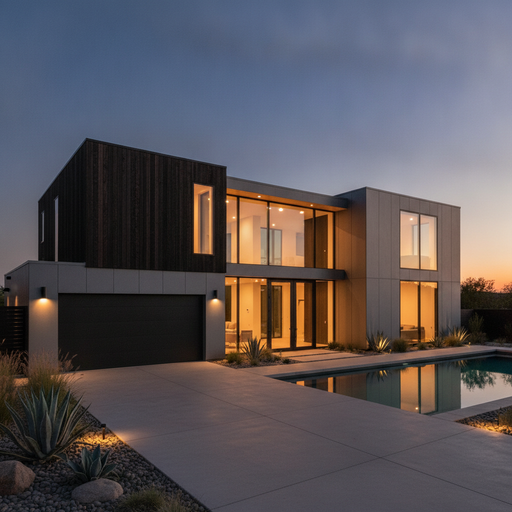
Imagine walking down a quiet suburban street where every house seems to blend into a monochromatic sea of beige siding and standard red brick. Suddenly, you stop. Your eyes are drawn to a structure that doesn’t just sit on the lot—it breathes. It features a stuing combination of charred black timber, sleek matte-finished metal panels, and expansive glass that reflects the shifting colors of the twilight sky. You aren’t just looking at a house; you’re looking at a statement of identity.
SUBMIT YOUR DETAILS FOR
This is the power of custom exterior materials in modern design. For decades, residential architecture was limited by the “big box” store inventory. Today, the script has been flipped. Homeowners and architects are no longer asking what is available; they are asking what is possible. From the raw texture of weathered steel to the ancient Japanese art of preserved wood, the facade of a home has become a canvas for storytelling. In this guide, we will explore the materials that are currently shaping the landscape of modern architecture and why choosing custom options is the ultimate investment in your home’s character.
The Industrial Elegance of Metal Cladding
There was a time when metal was reserved for warehouses and agricultural sheds. However, in the realm of modern design, metal has undergone a sophisticated transformation. Custom metal cladding—specifically aluminum, zinc, and weathering steel (Corten)—offers a level of precision that traditional materials simply caot match.
One of the most popular choices for high-end modern homes is zinc. Unlike painted surfaces that chip over time, zinc develops a natural patina that protects the metal from corrosion while evolving in color. It’s a “living” material that feels organic despite its industrial roots. Then there is Corten steel, which arrives as a silver-grey metal and, over several months, develops a deep, rust-like orange coating. This layer of oxidation actually prevents further rusting, creating a rugged, earthy aesthetic that looks spectacular against green landscapes.
- Durability: Metal panels can last 50 to 100 years with minimal maintenance.
- Precision: Custom laser-cutting allows for intricate patterns and seamless joints.
- Sustainability: Most architectural metals are 100% recyclable at the end of their lifespan.
The Timeless Warmth of Shou Sugi Ban
While modern design often leans toward “cool” materials like glass and steel, the need for organic warmth remains. This is where the ancient Japanese technique of Shou Sugi Ban, or Yakisugi, has made a massive comeback. This process involves charring the surface of cedar wood to create a carbonized layer that is naturally resistant to fire, rot, and insects.
From a storytelling perspective, Shou Sugi Ban adds an incredible layer of texture. The deep, crackled black finish provides a high-contrast backdrop that makes architectural lines pop. It tells a story of resilience—of a material that has been through fire and emerged stronger and more beautiful because of it. When used as an accent wall or a full-wrap facade, it creates a sense of mystery and luxury that standard wood siding caever replicate.
Sintered Stone and Large-Format Porcelain
If you love the look of natural marble or limestone but fear the maintenance and weight, custom sintered stone is the modern designer’s secret weapon. Using extreme heat and pressure, minerals are fused together to create a material that is virtually indestructible. Unlike natural stone, which is porous and can stain, sintered stone is non-porous and UV-resistant.
Architects are now using these custom-sized slabs to create “monolithic” designs where the house looks as though it was carved from a single block of stone. Because these panels can be manufactured in massive dimensions (up to 10 feet or more), the number of grout lines is minimized, creating a clean, uninterrupted visual flow that is the hallmark of minimalist architecture.
The Transparency Revolution: Custom Glass Facades
In modern design, the boundary between the “inside” and the “outside” is increasingly blurred. We are moving away from traditional punched windows and toward entire glass curtain walls. But this isn’t just about big windows; it’s about custom glass technology.
Today’s high-performance glass can be customized with different tints, reflective coatings, and even “smart” technology that darkens the glass based on the intensity of the sun. For a truly custom look, many designers are opting for fluted or reeded glass. This provides the home with an ethereal, blurred light effect that ensures privacy for the inhabitants while still allowing the building to glow like a lantern at night. It adds a vertical rhythm to the exterior that feels both vintage and futuristic at the same time.
Fiber Cement: The Versatile Chameleon
For those who want the look of high-end materials without the astronomical price tag, fiber cement has become the ultimate chameleon. Because it is a composite material, it can be molded into almost any texture—from the rough grain of Douglas Fir to the smooth, industrial finish of poured concrete.
The beauty of custom fiber cement lies in its flexibility. It can be cut into geometric shapes, installed in a board-and-batten style, or layered in overlapping scales. It’s the perfect “workhorse” material that allows homeowners to play with color and shape while keeping the structure protected from the harshest weather conditions. It doesn’t warp, it doesn’t rot, and it holds paint better than any organic material on the market.
The Power of Mixed Media
The most successful modern designs rarely rely on a single material. The magic happens in the “handshake” between different textures. A custom home might feature a heavy base of textured concrete, a middle section of warm cedar, and a roofline accented with matte black aluminum. This layering creates visual depth and guides the eye through the architectural journey.
When choosing your materials, think about the “tactile” experience of the building. How does the sun hit the metal at noon? How does the rain darken the stone? By mixing custom materials, you create a dynamic facade that changes throughout the day and through the seasons.
Conclusion: Building Your Legacy
Choosing the exterior materials for a modern home is about more than just protection from the elements; it’s about choosing how you want to be perceived by the world. It is the skin of your sanctuary. Whether you gravitate toward the industrial strength of metal, the charred history of Shou Sugi Ban, or the sleek precision of sintered stone, custom materials allow you to break free from the “cookie-cutter” mold.
As we look toward the future of residential design, the trend is clear: personalization is king. By investing in unique, high-quality exterior materials, you aren’t just building a house—you are crafting a landmark that will stand the test of time, both structurally and aesthetically. So, the next time you look at a blueprint, don’t just see walls. See an opportunity to tell your story through the very fabric of your home.