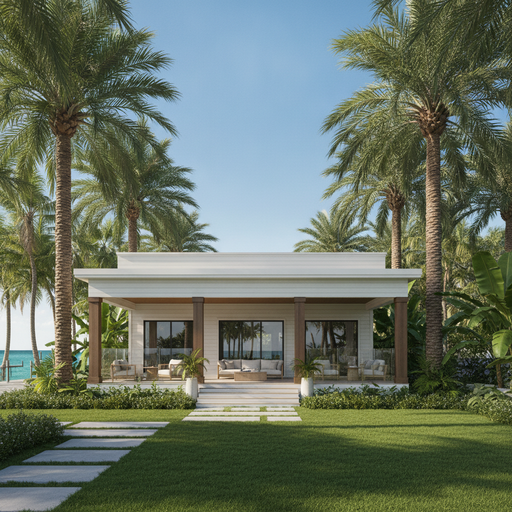

Imagine standing on a sun-drenched porch, a gentle breeze rustling the palm fronds nearby, and the smell of salt air lingering in the distance. For many, this is the ultimate Florida dream. However, with the traditional real estate market reaching record highs, that dream often feels like it’s slipping out of reach. This is where manufactured homes come into the picture—a modern, stylish, and incredibly cost-effective way to plant roots in the Sunshine State.
SUBMIT YOUR DETAILS FOR
But there is often a lingering question that stops potential homeowners in their tracks: “How do I actually pay for it?” Financing a manufactured home isn’t exactly the same as a traditional “stick-built” house, especially in a unique market like Florida. Whether you are looking for a retirement retreat in Sarasota or a family starter home in Ocala, understanding your financing options is the first step toward turning that dream into a reality. Let’s dive into the world of Florida manufactured home loans through the eyes of those who have successfully navigated it.
Understanding the Basics: Real Property vs. Personal Property
Before we look at the specific loan types, we need to clear up a common point of confusion. In Florida, how your home is financed depends heavily on how it is classified. If you buy a manufactured home and the land it sits on, and you “tithe” them together legally, it is considered Real Property. This opens the door to traditional mortgage products.
On the other hand, if you are buying a home that will sit in a leased-land community (a “mobile home park”), the home is considered Personal Property or “Chattel.” The financing for these two scenarios looks very different, and knowing which path you are on will save you weeks of frustration with lenders.
1. FHA Loans: The Most Popular Choice
Meet Sarah. Sarah was a first-time buyer in Orlando who didn’t have a 20% down payment saved up. She found that the Federal Housing Administration (FHA) was her best friend. FHA loans are incredibly popular in Florida because they allow for down payments as low as 3.5%.
The FHA Title II program is designed for manufactured homes that are permanently attached to land you own. To qualify in Florida, the home must have been built after June 15, 1976, and must meet specific HUD safety codes. For many Floridians, this is the most accessible route because FHA lenders are often more forgiving of lower credit scores than traditional banks.
2. VA Loans: Honoring Those Who Served
Florida has one of the highest veteran populations in the United States. If you are a veteran or active-duty service member, the VA loan is arguably the best financing tool in existence. VA loans for manufactured homes often require 0% down payment.
The catch? The home must be classified as real property (home and land together) and must be attached to a permanent foundation. For a veteran looking to settle down in the quiet outskirts of Tampa or Jacksonville, the VA loan provides a level of financial security and low-interest rates that other loans simply caot match.
3. Conventional Financing (Faie Mae and Freddie Mac)
There was a time when big banks wouldn’t touch manufactured homes. That has changed. Programs like Faie Mae’s “MH Advantage” and Freddie Mac’s “CHOICEHome” treat high-quality manufactured homes almost exactly like site-built homes.
To qualify for these, the home usually needs to have certain aesthetic features, like a specific roof pitch and a driveway, which help it blend in with the neighborhood. If you have a strong credit score (usually 620 or higher) and a bit more of a down payment, these conventional loans often offer the lowest long-term costs and no permanent mortgage insurance once you reach 20% equity.
4. USDA Loans: Perfect for Rural Florida
Many people forget that Florida isn’t just beaches and theme parks; it has vast, beautiful rural stretches. If you are looking at a manufactured home in a designated rural area—think parts of Lake County, Polk County, or the Panhandle—the USDA (United States Department of Agriculture) loan is a hidden gem.
Like the VA loan, the USDA loan offers 100% financing (zero down). It is designed to encourage homeownership in less-dense areas. However, the home must be brand new to qualify for USDA manufactured home financing, which is a great option if you are ordering a custom home from a factory.
5. Chattel Loans: The Leased-Land Solution
What if you want to live in a luxury 55+ community where you lease the lot? You won’t be able to get a traditional mortgage because you don’t own the land. In this case, you apply for a Chattel Loan.
Chattel loans are personal property loans, similar to a car loan but with much longer terms (often 15 to 20 years). They generally have higher interest rates than traditional mortgages because the lender has less security. However, they close much faster—sometimes in as little as two weeks—and they don’t require the complex appraisals and land surveys that traditional mortgages do.
Specific Florida Challenges: Wind Zones and Foundations
Financing in Florida comes with a unique “sidebar” that residents in Ohio or Arizona don’t have to worry about: Hurricanes. To get financing in Florida, your manufactured home must meet specific Wind Zone requirements. Most of Florida requires Wind Zone 2, while coastal areas (like the Keys or the Atlantic coast) require Wind Zone 3 construction.
Additionally, lenders will require an engineer’s certification that the foundation is permanent and meets HUD standards. In the humid Florida climate, moisture barriers and proper anchoring are not just safety issues—they are financial requirements. If the home isn’t anchored correctly, the bank won’t sign the check.
State-Specific Programs: SHIP and Florida Housing
The state of Florida also offers assistance through the Florida Housing Finance Corporation. Programs like the State Housing Initiatives Partnership (SHIP) provide funds to local governments to help residents with down payments and closing costs. Many Florida counties allow these funds to be used for the purchase of manufactured homes, provided they meet the “real property” criteria. This can be a game-changer for a family that is just a few thousand dollars short of their goal.
The Step-by-Step Path to Approval
If you’re ready to start, follow this roadmap that many successful Florida homeowners have used:
- Check Your Credit: Know your score before you walk in. Most manufactured home lenders look for at least a 580 for FHA or 620 for conventional.
- Decide on Land: Determine if you are buying land or leasing it. This dictates your loan type immediately.
- Find a Specialized Lender: Not every bank does manufactured home loans. Look for lenders who specialize in “MH” (Manufactured Housing) to avoid delays.
- Get an Appraisal and Inspection: This is vital in Florida to ensure the home is up to wind code and the foundation is solid.
- Budget for Insurance: Manufactured home insurance in Florida can be higher due to storm risks. Get quotes early so they don’t surprise you at closing.
Conclusion
Financing a manufactured home in Florida doesn’t have to be a daunting maze. Whether you are utilizing the low down payment of an FHA loan, the zero-down benefits of a VA or USDA loan, or the speed of a chattel loan for a community living setup, the options are more diverse today than ever before.
By understanding the nuances of Florida’s land laws and wind zones, you caavigate the process with confidence. Affordable housing in the Sunshine State is still possible. It just takes the right knowledge and a clear plan to turn those palm tree dreams into your everyday reality. The Florida sun is waiting—now you know how to afford your spot under it.