
The Florida Dream and the Modern Investor
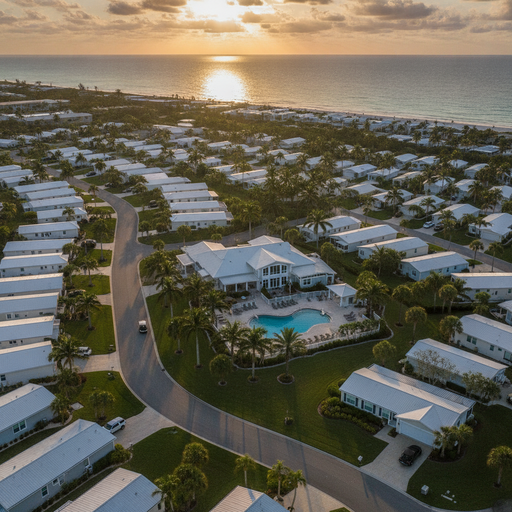
Imagine sitting on a porch in Central Florida, the scent of orange blossoms drifting through the air as the sun dips below the horizon, painting the sky in hues of violet and gold. For decades, this has been the quintessential dream for retirees and sun-seekers alike. But lately, a new group of people has been eyeing these palm-fringed landscapes with a different kind of excitement. These aren’t just vacationers; they are savvy investors who have discovered one of the most resilient and profitable secrets in American real estate: the Florida mobile home park.
SUBMIT YOUR DETAILS FOR
For a long time, mobile home parks—or manufactured housing communities—were the overlooked stepchildren of the real estate world. They were often misunderstood and undervalued. However, the narrative has shifted dramatically. In a world of volatile stock markets and skyrocketing apartment rents, the humble mobile home park in Florida has emerged as a powerhouse of stability and cash flow. But why Florida, and why now? To understand the allure, we have to look at the unique intersection of demographics, economics, and the inherent nature of land ownership in the Sunshine State.
The Great Migration: A Built-In Tenant Base
The first and most obvious benefit of owning a mobile home park in Florida is the sheer volume of people moving to the state. Florida consistently ranks as one of the fastest-growing states in the U.S. Every day, nearly a thousand people pack their bags and head south. This isn’t just a trend; it’s a demographic shift. We have the “silver tsunami”—thousands of Baby Boomers retiring daily and looking for affordable ways to live out their golden years in a warm climate.
But it’s not just retirees. Young families and service workers are also flocking to Florida for jobs in tourism, healthcare, and technology. The problem? Traditional housing has become prohibitively expensive. This creates a massive, permanent demand for affordable housing. When you own a mobile home park, you aren’t just owning land; you are owning a solution to a critical housing shortage. In Florida, your “customer base” is growing every single morning when the sun comes up.
The Land-Lease Model: Low Overhead, High Efficiency
One of the most misunderstood aspects of mobile home park ownership is who actually owns what. In a traditional apartment complex, the landlord owns the building, the roof, the toilets, and the appliances. When a water heater bursts at 3 AM, it’s the landlord’s problem. When the carpet gets trashed, the landlord pays to replace it.
In a typical Florida mobile home park, the model is “land-lease.” This means the investor owns the land and the infrastructure (roads, utility lines, amenities), but the tenants own the individual homes. This is a game-changer for the property owner. Your maintenance responsibilities are largely limited to the common areas. You don’t have to worry about broken dishwashers or painting interior walls. This translates to significantly lower operating expenses compared to other forms of residential real estate. You are essentially a “horizontal landlord,” collecting rent on the dirt while the tenants take pride in maintaining their own rooftops.
The “Sticky” Factor: Incredible Tenant Longevity
In the world of rental real estate, turnover is the ultimate profit killer. Every time a tenant leaves an apartment, the landlord loses money on cleaning, repairs, and marketing. Mobile home parks, however, boast some of the lowest turnover rates in the industry. This is what insiders call the “sticky” factor.
Moving a modern manufactured home is a massive undertaking. It can cost anywhere from $5,000 to $10,000 to discoect, transport, and reset a home in a new location. Because of this high cost, most tenants stay for decades. Once a home is placed on a lot in your Florida park, it is likely to stay there for the remainder of its useful life. This provides the owner with an incredibly predictable and stable stream of income that is rarely interrupted by the “revolving door” effect seen in multi-family apartments.
Recession Resistance in an Uncertain Economy
No investment is entirely bulletproof, but mobile home parks come remarkably close during economic downturns. In a booming economy, people move to Florida for the lifestyle. In a struggling economy, people move to mobile home parks because they are the most affordable non-subsidized housing option available.
When the economy gets tough, people “downsize” their lifestyle. They move out of expensive Class-A apartments or high-interest mortgages and look for affordable alternatives. Because manufactured housing is at the bottom of the housing food chain (in terms of price, not quality), there is nowhere else for residents to go. This creates a “floor” for your investment. While other real estate sectors might see vacancies rise during a recession, mobile home parks often see their waiting lists grow longer.
Tax Advantages and the Power of Cost Segregation
Florida is famous for being a tax-friendly state for individuals, but it is also a haven for real estate investors. Beyond the lack of state income tax, mobile home park owners can take advantage of powerful federal tax strategies like cost segregation.
Because a mobile home park consists of many “land improvements” (like roads, fences, landscaping, and utility hookups) rather than just a single large building, owners can often depreciate these assets on an accelerated schedule. Instead of waiting 27.5 or 39 years to write off the value of the property, investors can often write off a large portion of the purchase price in the first few years. This can result in massive tax savings, allowing the owner to keep more of the cash flow to reinvest or enjoy.
The Scarcity of the Asset Class
Perhaps the most compelling reason to own a park in Florida is simple supply and demand. It is becoming increasingly difficult to build new mobile home parks. Most local municipalities have strict zoning laws that prevent new “trailer parks” from being developed, preferring high-density condos or luxury retail instead.
This “not in my backyard” (NIMBY) sentiment creates a natural moat around your investment. You are essentially owning a disappearing asset class. As the population of Florida grows and the supply of mobile home parks remains stagnant (or even shrinks as some are redeveloped into high-rises), the value of existing parks continues to climb. You aren’t just buying real estate; you are buying a localized monopoly on affordable housing.
Conclusion: A Path to Legacy Wealth
Owning a mobile home park in Florida isn’t just about collecting rent checks; it’s about participating in the growth of one of the most dynamic states in the country. It’s about providing a necessary service—safe, affordable housing—while benefiting from a business model that prioritizes stability and low overhead.
Whether you are looking for a way to hedge against inflation, a source of passive income for retirement, or a legacy asset to pass down to your children, the Florida mobile home park offers a unique combination of benefits that are hard to find anywhere else. As the sun continues to shine on the Florida peninsula, the value of the land beneath those palm trees only continues to grow. For the investor who can look past the old stigmas and see the underlying economic strength, the Sunshine State’s mobile home parks truly are a golden opportunity.