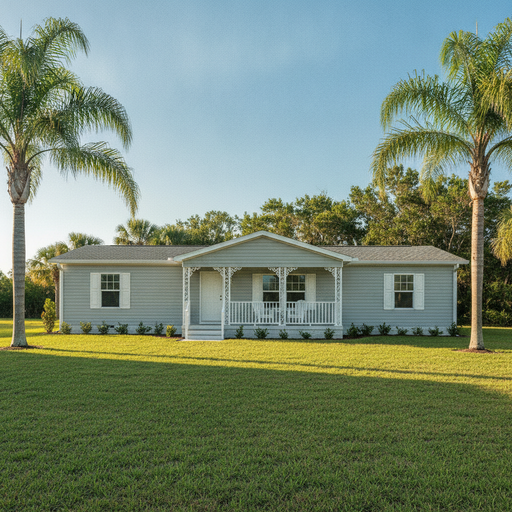

The Great Florida Dream vs. The Reality Check
Imagine waking up to the sound of rustling palm fronds and the distant scent of salt air. For decades, this has been the ultimate American dream—retiring or starting a life in the Sunshine State. But if you have looked at the Florida real estate market lately, you might have felt a sudden chill, even iinety-degree weather. Prices for traditional single-family homes have skyrocketed, leaving many to wonder if the Florida dream is slipping out of reach.
SUBMIT YOUR DETAILS FOR
Enter Sarah, a digital nomad who spent months scouring listings in Tampa and Orlando. She wanted a piece of Florida but didn’t want to spend 50% of her income on a mortgage for a tiny condo. That is when she discovered the world of manufactured housing. Like many, she initially had misconceptions, but a deep dive into the data changed her perspective entirely. Today, we are going to do that same deep dive, comparing mobile housing to traditional options to see just how much you can save without sacrificing the Florida lifestyle.
Breaking Down the Numbers: Mobile Homes vs. Traditional Real Estate
To understand why mobile housing is gaining so much traction, we have to look at the cold, hard cash. In Florida, the median price for a single-family stick-built home has hovered between $400,000 and $450,000 in recent years. If you are looking at coastal areas like Sarasota or Miami, those numbers can easily double.
In contrast, a brand-new, modern manufactured home—built to high-quality HUD standards—typically costs between $100,000 and $180,000. Even when you factor in the land or a lot lease, the entry point is significantly lower. Here is a quick comparison of the average costs you might encounter:
- Traditional Single-Family Home: $410,000+ (Median)
- Condominium/Townhome: $280,000 – $350,000
- New Manufactured Home (Home only): $120,000 – $160,000
- Pre-owned Mobile Home: $40,000 – $90,000
When you look at these figures, the “affordability gap” is staggering. For the price of a down payment on a luxury home iaples, you could potentially own a mobile home outright in a beautiful community in Central Florida.
The Two Paths: Land-Lease vs. Land-Owned Communities
When Sarah started her search, she realized that “mobile home affordability” isn’t a single category. There are two distinct paths you can take in Florida, and your choice will drastically affect your monthly budget.
1. The Land-Lease Model
This is the most common setup in Florida. You own the home (the structure), but you rent the land it sits on from a park owner.
- Pros: Lower upfront cost. You don’t have to buy the land, which keeps your initial investment small. Many of these parks offer resort-style amenities like heated pools, pickleball courts, and clubhouses.
- Cons: You pay a monthly “lot rent,” which can range from $500 to $1,200 depending on the location and luxury level. This rent can increase aually.
2. The Land-Owned (Resident-Owned) Model
In this scenario, you own both the home and the plot of land under it, or you own a share in a co-op that owns the park.
- Pros: No monthly lot rent (though there is usually a small HOA fee for maintenance). Your property appreciates more like a traditional home. You have more security because you caot be “evicted” by a landlord selling the park.
- Cons: Much higher upfront cost. A mobile home on its own land in a desirable Florida zip code might cost $250,000 to $300,000.
Regional Price Comparison: Where Does Your Dollar Go Furthest?
Florida is a massive state, and affordability varies wildly depending on where you plant your roots. If you are looking for the absolute best value, you have to look away from the immediate coastline.
The Coastal Premium: In areas like Clearwater or West Palm Beach, even a mobile home can feel expensive. A lot-lease in a premium coastal park might run you $1,100 a month. However, compared to a $3,000 mortgage for a nearby bungalow, it is still a massive saving.
The Central Florida Value: Regions like Ocala, Lakeland, and Zephyrhills are the “Mobile Home Capitals” of the state. Here, you can find spacious double-wide homes in well-maintained 55+ or all-age communities for under $100,000. The lot rents here are also more modest, often sitting between $500 and $700.
The Panhandle: Areas like Pensacola and Panama City offer a middle ground—beautiful beaches nearby with a lower cost of living than South Florida. Mobile housing here serves as a vital bridge for workers in the tourism and service industries.
Hidden Costs: Insurance, Taxes, and the Florida Weather Factor
Affordability isn’t just about the purchase price; it’s about the “carry cost.” One of the biggest hurdles Sarah faced was insurance. Florida’s insurance market is famously volatile. For mobile homes, insurance premiums can be higher than traditional homes relative to the value of the property because of windstorm risks.
However, there is a silver lining. Modern manufactured homes built after 1994 (when HUD updated wind safety standards) are much cheaper to insure than older models. Furthermore, property taxes on mobile homes—especially those on leased land—are significantly lower than traditional real estate. In many cases, you pay a “decals” fee or a small personal property tax rather than the thousands of dollars in ad valorem taxes required for a stick-built house.
The Lifestyle Factor: Is It Really “Trailer Park” Living?
The biggest barrier to mobile home affordability is often psychological. We have all seen the stereotypes in movies. But walk into a modern Florida manufactured home community today, and you’ll see something entirely different. Sarah was shocked to find 2,000-square-foot homes with granite countertops, vaulted ceilings, and walk-in closets.
These communities function more like gated resorts. For a retiree, the social life is unparalleled. For a young professional, it’s a way to live in a safe, quiet neighborhood while saving for a future investment. The affordability of the housing allows residents to spend more on what makes Florida great: travel, dining out, and enjoying the natural beauty of the state.
Final Comparison: The Verdict
If we look at the total cost of ownership over ten years, Florida mobile housing wins the affordability battle by a landslide. Even with lot rent increases, the combined cost of the mortgage (if any), taxes, and maintenance typically stays 30% to 50% below the cost of a traditional home in the same area.
For those willing to rethink what a “home” looks like, Florida’s manufactured housing market offers a path to financial freedom. It allows you to trade a massive, soul-crushing mortgage for a lifestyle defined by experiences rather than debt.
Conclusion: Is Florida Mobile Housing Right for You?
The comparison is clear: if affordability is your primary goal, mobile housing is the most viable path to homeownership in Florida today. It bridges the gap between renting an apartment and the high-stakes world of traditional real estate. Whether you are a senior looking to stretch your retirement savings or a first-time buyer looking for a foothold in the market, the mobile home offers a unique blend of value and comfort.
As the Florida market continues to evolve, the demand for these affordable alternatives will only grow. By doing your research, understanding the difference between land-lease and land-owned options, and choosing a home built to modern standards, you can secure your piece of paradise without breaking the bank.